Why Your Microwave Fails Safety Tests – Common Causes
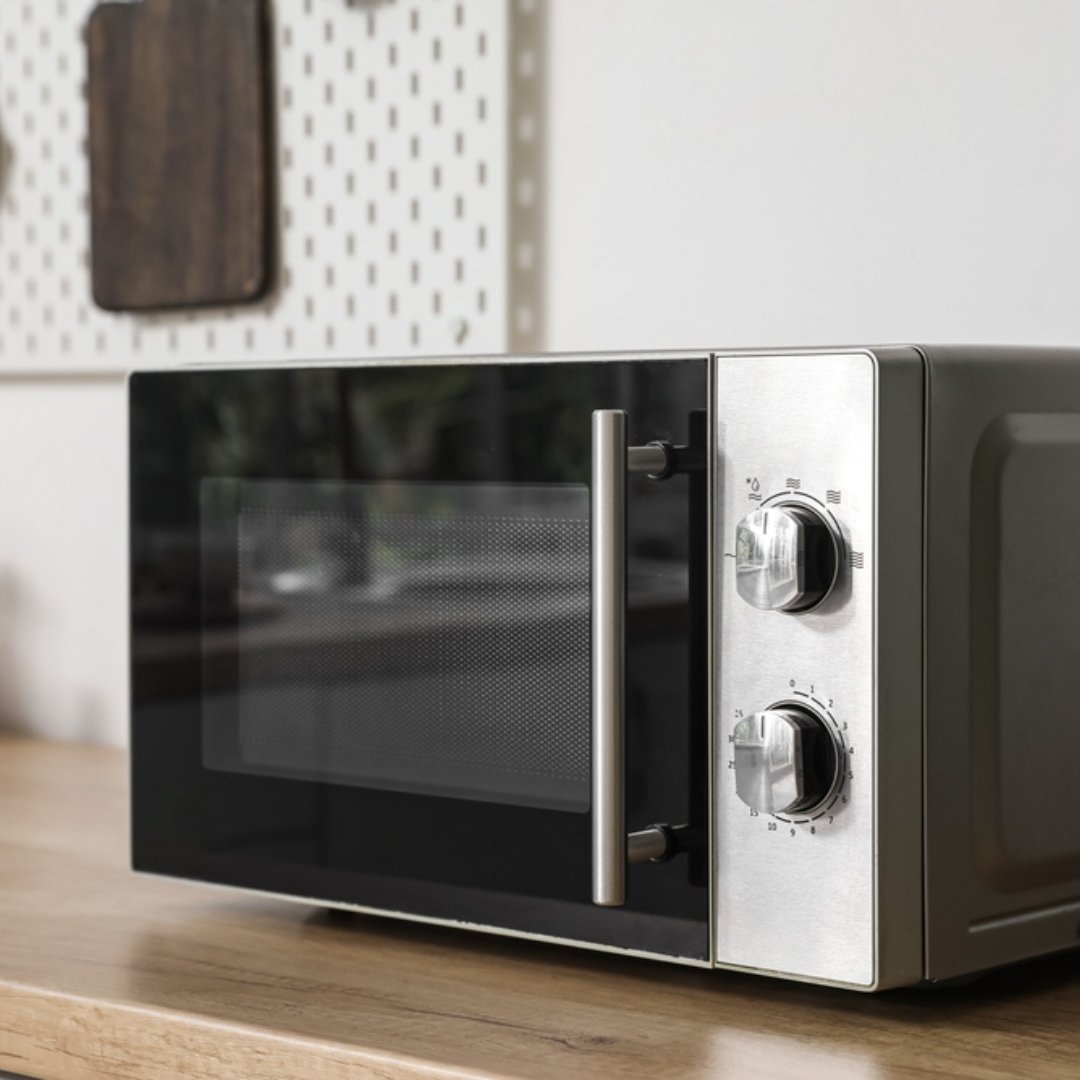
Microwave ovens have become an essential appliance in both homes and commercial kitchens, offering quick and efficient heating for everyday meals. However, like any electrical device, they must meet strict safety standards to ensure they don’t pose health or fire risks. During regular inspections, many microwaves fail safety tests often due to overlooked issues that worsen over time. Understanding the common reasons behind these failures can help homeowners and businesses take preventive steps and ensure long-term safety. In this guide, we break down the most frequent causes of microwave safety test failures and explain how to address them. To Know More Click Here
1. Damaged Door Seals and Gaskets
The door seal is the first line of defense against microwave radiation leakage. If it is worn out or damaged, radiation can escape from the oven while it’s running.
Why It Happens:
- Dirt, grease, or food particles stuck in the seal
- Wear and tear from frequent use
- Cracks or gaps in the gasket
- Misalignment caused by slamming the door
Impact: Consequently, a compromised seal is one of the leading causes of microwave leakage failures during safety tests.
Solution: Therefore, regular cleaning, gentle usage, and timely replacement of worn seals can prevent this issue.
2. Faulty Door Latch Mechanism
For a microwave to operate safely, its door must lock securely. If the latch is loose, broken, or misaligned, the safety interlock switches inside the microwave won’t function properly.
Why It Happens:
- Excessive force used while opening or closing
- Hinges becoming loose over time
- Broken latch springs or clips
Impact: As a result, a faulty latch may allow the microwave to run without fully engaging the interlock, making it extremely unsafe.
Solution: Thus, having a technician adjust or replace the latch mechanism restores proper interlocking and ensures safety. To Know More Click Here
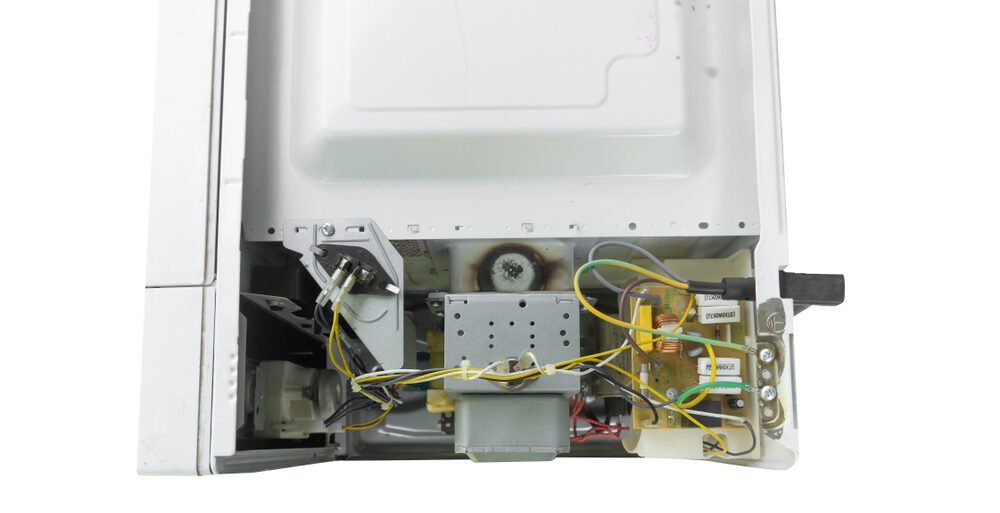
3. Worn-Out Interlock Switches
Microwaves have multiple interlock switches that ensure the appliance only operates when the door is fully closed. If any of these switches stop working, the unit will fail a safety test.
Why It Happens:
- Mechanical wear from repeated use
- Loose wiring connections
- Internal burning or electrical faults
Impact: Therefore, faulty interlock switches can cause the microwave to not start—or worse, operate unsafely.
Solution: Consequently, it is crucial to have the switches checked and replaced during regular maintenance.
4. Internal Component Failures
Inside a microwave, several parts work together to generate heat. When any internal component becomes faulty, the unit may fail electrical or radiation safety tests.
Common Culprits:
- Magnetron deterioration
- Faulty transformer
- Damaged capacitor
- Burnt-out wiring
- Overheating components from dust or blocked vents
Impact: As a result, these issues can lead to radiation leakage, uneven heating, or complete breakdown.
Solution: Hence, scheduling periodic professional inspections can help catch internal faults early.

5. Physical Damage or Dents
Even minor dents around the oven cavity, door frame, or outer body can disrupt the microwave’s shielding and cause leakage.
Why It Happens:
- Microwaves dropped during shifting
- Impact from heavy objects
- Rough handling in commercial environments
Impact: In such cases, a dent near the door area can break the metal shielding pattern, increasing leakage risk.
Solution: Therefore, avoid using a physically damaged microwave and get it inspected immediately.
6. Incorrect Usage Practices
Many failures occur simply because microwaves are not used correctly.
Examples Include:
- Running the microwave empty
- Using metal utensils or foil
- Ignoring burning smells or unusual sounds
- Overloading the microwave with heavy containers
Impact: Consequently, misuse can damage the magnetron, crack internal panels, or weaken the shielding—leading to failed safety tests.
Solution: Thus, always follow the manufacturer’s guidelines for safe and correct usage.
7. Lack of Regular Maintenance or Testing
Microwaves—especially in commercial settings—often go months or years without inspection. Over time, small issues turn into major safety hazards.
Why It Happens:
- Busy kitchen environments
- Assumption that microwaves are “low-maintenance”
- Lack of awareness about required testing standards
Impact: As a result, unmaintained microwaves are far more likely to fail electrical, performance, and leakage tests.
Solution: Hence, schedule routine testing with qualified professionals every 6 to 12 months. To Know More Click Here

Conclusion
Microwave safety test failures are usually caused by common issues like damaged seals, faulty interlocks, internal component problems, and poor maintenance. While these problems may seem minor initially, they can lead to significant safety risks if ignored. Therefore, regular inspections, proper usage, and timely repairs not only ensure your microwave passes safety tests but also protect your family, staff, and customers from potential harm. “A small issue today can become a major hazard tomorrow. Thus, prioritize safety by keeping your microwave regularly tested and well-maintained.”
SafeTag – Your Safety Partner in New Zealand
Ensure workplace safety and compliance with SafeTag’s professional testing services. We offer certified solutions for Electrical Testing & Tagging, RCD Testing, Microwave Leakage Testing, and Portable Appliance Testing (PAT). Trust our experts for hassle-free, on-site service tailored to your business needs.