Why You Should Test Second-Hand Appliances Before Using Them
Buying second-hand appliances has become more common than ever. Many people look for used microwaves, coffee makers, fans, induction stoves, and refrigerators due to rising product prices and the popularity of resale platforms. In fact, pre-owned appliances often look perfectly fine from the outside, and they may still operate when plugged in. Because of this, many buyers assume they are safe.
However, the internal condition of an appliance is not always visible. Wires may be worn out, insulation may have thinned, switches could be loose, and heating elements may be partially damaged. These faults may not show immediate signs when switched on — but they could slowly expose users to electrical hazards.
Therefore, before you start using any second-hand appliance, testing is not just recommended – it is essential. To Know More Click Here
1. Prevent Major Electrical Shock Hazards
Second-hand appliances could have hidden wiring issues due to age, improper use, or storage conditions. For example, a hair dryer that was stored in a humid environment could have moisture damage inside. When such a device is reused without testing, the chances of shock increase.
Regular tag & test procedures confirm whether the insulation resistance, wiring continuity, and earth connection are still safe. These checks protect users from unexpected shocks at home, offices, or commercial spaces.
2. Reduce Chances of Fire Accidents
Many home fire incidents start from electrical appliances that overheated or short-circuited. Used products have a higher chance of temperature imbalance or burnt components. For instance, an old toaster may heat unevenly because its internal coil is damaged — and that can spark a fire.
Testing reveals if the appliance is drawing excessive current, which is a strong indicator of a possible short circuit waiting to happen. To Know More Click Here
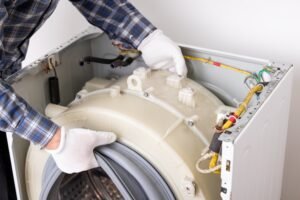
3. Identify Internal Mechanical Wear & Tear
Not all damage is electrical — some of it can be mechanical. For example:
- A used washing machine may have worn bearings.
- A used mixer grinder may have loose blades.
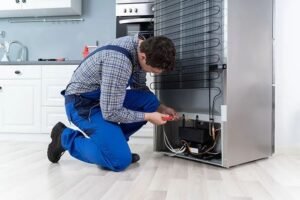
- A second-hand fridge may have weak compressor performance.
Testing and inspection help identify whether any critical moving part is near failure. This prevents sudden breakdowns and ensures long-lasting usability.
4. Ensure Compliance with Current Safety Standards
Technology changes, components evolve, and safety standards are updated regularly. Appliances made 10 years ago may not match today’s compliance requirements. A testing process allows you to verify whether the device still performs within accepted safety limits.
In New Zealand and other countries, standards help protect users from radiation leaks, faulty current flow, and insulation issues. Testing helps ensure you are not unknowingly using a device that is considered unsafe by today’s regulations.
5. Avoid Costly Repairs After Purchase
When you test before using, you identify defects early. This gives you a chance to:
- Request a refund
- Negotiate a lower price
- Decide not to buy the item at all
Instead of investing more money later on repairs or parts replacement, testing helps you make a smarter buying decision right at the start. To Know More Click Here
Final Thoughts
Second-hand appliances can be a great choice — eco-friendly, economical, and easily accessible. But safety should never be compromised. Just because a device turns ON does not automatically mean it is safe for daily use. Always test before use — whether it’s a toaster, heater, cordless kettle, iron box, or microwave. A small amount of caution today can protect your home, prevent electrical fires, reduce health risks, and ultimately save lives. Testing isn’t just a procedure — it’s your first line of safety.
SafeTag – Your Safety Partner in New Zealand
Ensure workplace safety and compliance with SafeTag’s professional testing services. We offer certified solutions for Electrical Testing & Tagging, RCD Testing, Microwave Leakage Testing, and Portable Appliance Testing (PAT). Trust our experts for hassle-free, on-site service tailored to your business needs.