The Importance of Testing Extension Cords and Power Boards in NZ
Extension cords and power boards are used everywhere — homes, offices, workshops, retail stores, and commercial kitchens. They help people plug in multiple appliances conveniently, especially when sockets are limited. However, because they carry electricity continuously, they also face wear-and-tear faster than most people realize. Damaged cords, overloaded boards, or loose internal wiring can lead to shocks, sparks, or even electrical fires.
In New Zealand, regular testing and tagging of extension cords and power boards is not just a safety recommendation — for many workplaces, it is a legal expectation. Unsafe portable appliances are one of the leading causes of workplace electrical incidents. Therefore, scheduled testing ensures that every cord and board remains safe for daily use. To Know More Click Here
Why Testing Is Important
- They are high-risk portable equipment
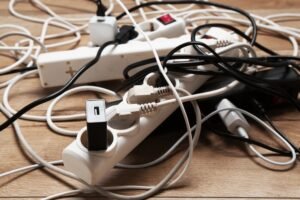
Extension leads and power boards are flexible. They can bend, get kicked, dragged, crushed by chairs or furniture, or even get pinched under doors. This mechanical stress makes them more vulnerable than fixed wiring. - Overloading is extremely common
Plugging too many devices into one power board can cause heat build-up. If unnoticed, this can slowly melt insulation or damage internal circuitry. Testing helps identify overheating signs before they turn into ignition points. - Moisture exposure is frequent
In garages, workshops, and kitchens, cords often come in contact with humidity, spills, or damp floors. Even slight moisture entering the insulation can create invisible risk. Routine testing helps detect earth leakage and insulation damage early. - Legal compliance for workplaces
In NZ workplaces, the Electrical (Safety) Regulations require that portable leads and power boards are regularly inspected and tested by a competent person. Evidence of testing is usually shown through Test & Tag labels. This protects both the organization and the workers. To Know More Click Here
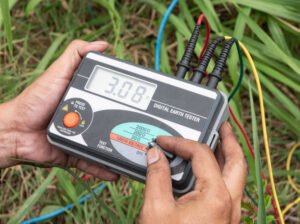
What Testing Identifies
- Broken insulation
- Internal wire damage
- Burn marks or overheating
- Loose socket connections
- High earth leakage
- Faulty surge protector circuitry in boards
- Damaged plugs or pins
Many of these risks are not visible to the naked eye — but they can be detected easily through a proper PAT test.
Who Should Test Them?
- Qualified Test & Tag technicians
- Electrical inspectors
- Certified safety testing providers
While home users can visually check basic damage, only calibrated equipment can accurately measure electrical safety parameters.
Simple Safety Habits for Daily Use
- Avoid daisy-chaining multiple power boards together
- Replace cords that feel warm during use
- Never use indoor boards outdoors
- Unplug cords fully by the plug — not by pulling the cable
- Immediately discard cracked or frayed insulation. To Know More Click Here
Conclusion
Extension cords and power boards may look simple — but they carry life-risking energy every day. Their flexible design makes them more vulnerable than fixed wiring, so regular testing is essential to keep them electrically safe. In New Zealand, routine inspection and Test & Tag helps prevent fires, shocks, equipment damage, and legal problems — especially in workplaces. Regular testing is not just maintenance. It is protection.
SafeTag – Your Safety Partner in New Zealand
Ensure workplace safety and compliance with SafeTag’s professional testing services. We offer certified solutions for Electrical Testing & Tagging, RCD Testing, Microwave Leakage Testing, and Portable Appliance Testing (PAT). Trust our experts for hassle-free, on-site service tailored to your business needs.