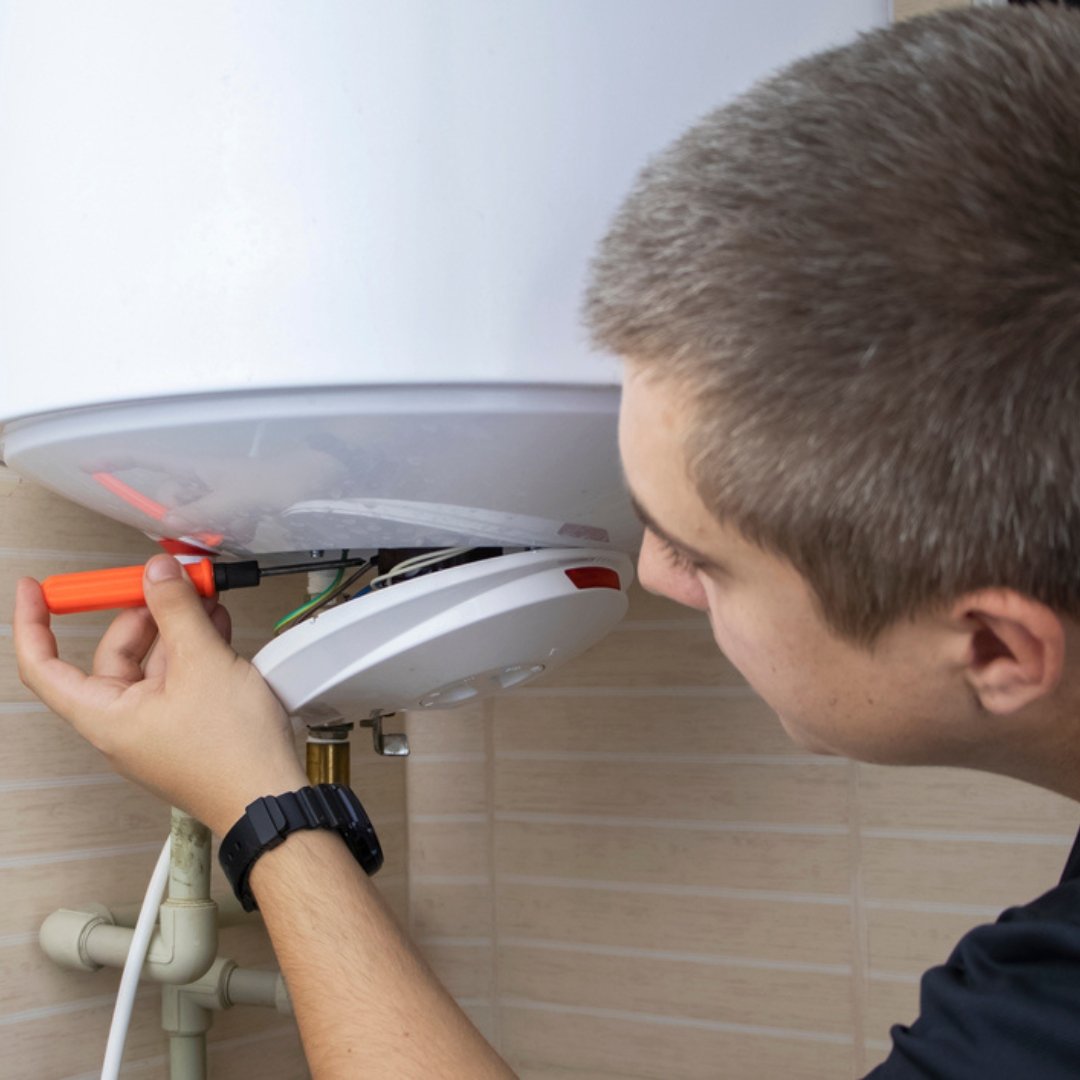
Why Electrical Testing Should Be Prioritized in Manufacturing Plants
Manufacturing plants run on machinery, automation systems, control panels, motors and high-powered electrical circuits. Every shift, these systems operate under heavy load, high temperature and continuous usage. In such environments, even a small electrical fault can quickly turn into a major production shutdown, equipment damage or safety hazard. That’s why electrical testing is not just another maintenance task — it must be treated as a priority. To Know More Click Here
Here’s why routine and planned electrical testing matters so much in manufacturing facilities.
1. Prevention of Costly Equipment Failure
Industrial machines are expensive — and unexpected breakdowns cost even more because they cause production downtime. Electrical testing detects early warning signs such as insulation deterioration, loose terminals, overheating points and irregular current flow. When these issues are spotted early, interventions are cheaper and faster.
Result: small corrections now → big savings later.
2. Protects Worker Safety
Manufacturing zones are high-risk working environments. Workers operate close to live equipment, moving motors, control panels and power cabinets. Electrical faults such as earth leakage, short circuits or arc faults can result in accidents, burns, fire and electrocution.
Routine testing ensures:
- circuits are safe
- earth resistance is within limits
- RCDs respond fast enough
- appliances are fit for operation
Outcome: safer workplace → fewer incidents → more confidence on the shop floor. To Know More Click Here

3. Supports Long-Term Production Stability
Modern manufacturing depends on automation. Small voltage fluctuations or poor grounding can disrupt process accuracy and sensor performance. When electrical systems are tested, calibrated and monitored regularly, the entire production line runs smoothly.
Testing ensures:
- equipment performs with stable power quality
- machines produce consistent output
- automation controllers do not malfunction
Stable power = stable production.
4. Compliance With Standards and Legal Requirements
Government regulations and industrial standards require safe electrical installations in all workplaces — especially high-load manufacturing facilities. Regular electrical testing provides documented proof that systems meet compliance levels.
This protects companies from:
- penalties
- insurance claim rejections
- regulatory non-compliance risks
In addition, proper testing records increase audit readiness.
5. Extends the Life of Machinery and Infrastructure
Electrical systems wear out with time — cables age, insulation hardens, connectors loosen. Testing slows down this ageing cycle by identifying stress points early. Small repair actions like tightening, replacing connectors or re-insulating cables significantly extend equipment life. To Know More Click Here
Conclusion
Electrical testing is not an optional activity in manufacturing — it is a strategic requirement. It protects employees, prevents costly failures, maintains compliance, ensures consistent production quality and extends the life of electrical infrastructure. Prioritizing electrical testing is ultimately prioritizing operational continuity, safety and profit. Factories that test regularly work confidently. Factories that don’t test regularly work dangerously.
SafeTag – Your Safety Partner in New Zealand
Ensure workplace safety and compliance with SafeTag’s professional testing services. We offer certified solutions for Electrical Testing & Tagging, RCD Testing, Microwave Leakage Testing, and Portable Appliance Testing (PAT). Trust our experts for hassle-free, on-site service tailored to your business needs.