Why NZ Workplaces Should Not Rely on Self-Testing Tools
Electrical safety in the workplace is not just a compliance requirement — it is a responsibility that protects employees, equipment, and business continuity. In New Zealand, Test & Tag regulations ensure that electrical appliances are safe to use. However, despite these guidelines, many workplaces still make the mistake of depending solely on self-testing tools or DIY checks instead of using certified professionals.
While self-testing tools may seem convenient and cost-effective, they often fall short in accuracy, reliability, and legal compliance. Therefore, it is important to understand why NZ workplaces should avoid relying exclusively on self-testing tools and instead choose professional testing. To Know More Click Here
1. Self-Testing Tools Provide Limited Accuracy
Most self-testing devices are designed for basic checks, not comprehensive electrical safety assessments. Consequently, they frequently fail to detect deeper or hidden issues.
Why Accuracy Matters:
- Self-testing tools may not detect subtle internal faults.
- They often provide pass/fail indicators without detailed readings.
- They cannot assess insulation resistance, earth continuity, or leakage currents with precision.
Example:
A plug-in socket tester might show a green light; however, the appliance could still have deteriorating insulation that only a professional-grade tester can detect.
2. They Do Not Meet NZ Compliance Standards
New Zealand’s AS/NZS 3760 standard outlines strict requirements for workplace electrical safety. Unfortunately, self-testing tools alone do not provide results that meet these standards.
Compliance Limitations:
- Self-tests rarely log data or produce compliant reports.
- Businesses cannot rely on DIY testing during audits.
- Improper testing can expose companies to insurance issues or legal penalties.
Tip:
Insurance companies may reject claims if appliances were not tested by a competent or certified person. To Know More Click Here
3. Lack of Technician Expertise Leads to Missed Faults
Testing tools are only effective when used correctly. Without proper training, staff may misinterpret readings or overlook early warning signs. As a result, unsafe equipment may continue to be used.
Risks of Inexperienced Testing:
- Misreading test results can lead to unsafe equipment remaining in use.
- Staff may skip essential tests like polarity, earth-loop impedance, or load tests.
- Incorrect tagging creates a false sense of safety.
Example:
A loose earth connection might be missed with a basic tester, yet an experienced technician using calibrated equipment would identify it immediately.
4. Tools Require Calibration — Most Workplaces Don’t Do It
All electrical testing equipment, even simple ones, must be calibrated regularly for accurate results. However, most workplaces do not follow this essential step.
Common Issues:
- Self-testing tools often go years without calibration.
- Inaccurate tools give unreliable readings.
- Professional testers have calibration certificates and tracking systems.
Result:
An uncalibrated device can mark a faulty appliance as “safe,” thereby putting everyone at risk.
5. Self-Testing Creates Gaps in Safety Records
Proper documentation is essential in NZ workplaces, especially during audits or investigations. Yet, self-testing tools rarely offer proper tracking or traceability.
Documentation Problems with Self-Testing:
- No digital logs or safety history.
- No traceability for when, how, or by whom an item was tested.
- Inconsistent test intervals due to lack of scheduled reminders.
Benefit of professionals:
Certified testers provide detailed reports, digital records, QR-coded tags, and compliance history for each asset.
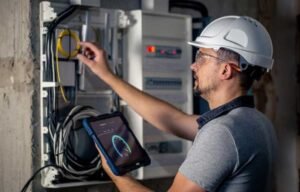
6. Professional Testing Covers More Than Just the Device
Self-testing tools focus only on the appliance in front of you. By contrast, professionals examine the entire environment, ensuring a much broader level of safety.
Professionals also check for:
- Plug and socket condition
- Overloading issues
- Cable damage
- Moisture exposure
- Incorrect storage practices
As a result, this holistic approach helps prevent hidden hazards that DIY tools cannot detect.
7. Self-Testing Can Lead to Liability Issues
If an accident occurs and the equipment was only self-tested, the consequences can be severe.
Potential Issues:
- The workplace may be found non-compliant.
- Employers could face legal consequences.
- Insurance claims may be denied.
Conversely, certified testing protects the business from liability and demonstrates due diligence.
8. Professionals Use Advanced Testing Equipment
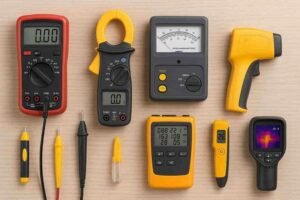
Specialist technicians rely on calibrated, industry-grade devices that provide far more accurate and detailed data than basic self-testing tools.
Examples include:
- Portable Appliance Testers (PAT)
- Earth continuity and insulation testers
- Leakage current meters
- Load simulators
Therefore, professional testing ensures higher accuracy and more reliable safety outcomes. To Know More Click Here
Conclusion
Self-testing tools might seem convenient; however, they are not reliable enough for workplace electrical safety — especially with strict NZ compliance standards. These tools lack the accuracy, detailed reporting, calibration, and technician expertise required to ensure genuine safety. Consequently, relying on them puts employees at risk and exposes businesses to legal and financial consequences. The safer alternative is to engage certified Test & Tag professionals who use advanced equipment, follow AS/NZS 3760 standards, and provide complete, auditable safety records. Ultimately, electrical safety is not an area for shortcuts, and professional testing offers long-term protection, compliance, and peace of mind for every workplace.
SafeTag – Your Safety Partner in New Zealand
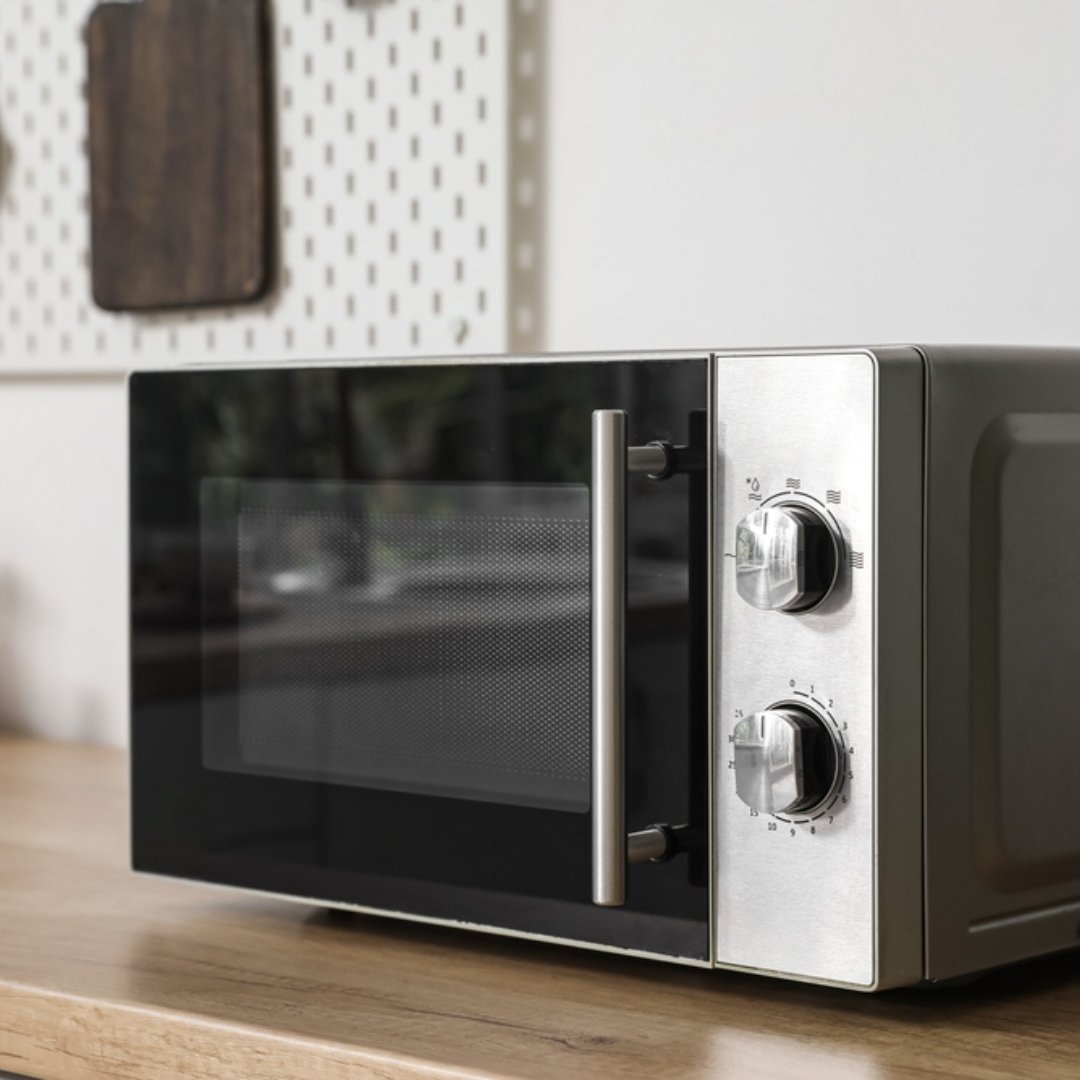
Ensure workplace safety and compliance with SafeTag’s professional testing services. We offer certified solutions for Electrical Testing & Tagging, RCD Testing, Microwave Leakage Testing, and Portable Appliance Testing (PAT). Trust our experts for hassle-free, on-site service tailored to your business needs.