Ensuring Patient Safety Through Reliable Electrical Systems
Medical clinics in New Zealand rely heavily on electrical equipment—from diagnostic machines and sterilization units to patient monitoring systems. A single electrical fault can disrupt vital services, damage expensive instruments, or worse, endanger lives. This is why specialized electrical testing is not just a compliance requirement—it’s a cornerstone of patient safety and operational reliability. To Know More Click Here
This blog explains why every medical clinic in NZ must prioritize professional, healthcare-grade electrical testing and tagging.
1. Electrical Safety is Critical in Healthcare
Unlike standard workplaces, medical environments involve close interaction between patients and electrically powered equipment. Devices such as ECG machines, infusion pumps, and surgical tools come into direct or indirect contact with patients. Any leakage current or wiring fault can cause electrical shocks or interfere with sensitive medical readings.
Specialized electrical testing ensures every piece of equipment is safe to use, accurately grounded, and compliant with the AS/NZS 3551 and AS/NZS 3760 safety standards that apply to medical facilities.
2. Compliance with NZ Standards and Regulations
In New Zealand, health and safety regulations require all medical devices and clinic equipment to undergo regular inspection and tagging. This includes both fixed and portable appliances. Specialised testers are trained to handle medical-grade instruments that need more precise testing than standard office equipment.
Why it matters:
- It ensures compliance with WorkSafe NZ and Ministry of Health guidelines.
- Clinics avoid costly fines and potential legal liabilities.
- Compliance reports also serve as proof during health audits or insurance assessments. To Know More Click Here
3. Preventing Equipment Failure and Service Interruptions
In healthcare, equipment downtime is not just inconvenient—it can delay treatment or diagnosis. Routine electrical testing detects minor faults like insulation degradation, loose connections, or abnormal voltage fluctuations before they cause major breakdowns. Predictive maintenance through regular testing extends the lifespan of medical devices and keeps operations smooth.
4. Specialized Testing Equipment for Medical Devices
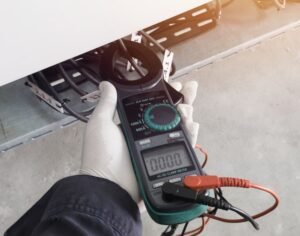
Professionals use advanced electrical safety analyzers that go beyond basic testing. These tools can measure:
- Earth continuity and insulation resistance
- Leakage current (crucial in patient-connected devices)
- Functional tests for accuracy and stability
Technicians trained in medical-grade PAT (Portable Appliance Testing) understand the sensitivity of medical electronics and use non-invasive techniques to prevent damage during testing.
5. Protecting Patients, Staff, and Data
Faulty electrical systems not only pose shock risks but can also affect equipment performance—leading to incorrect readings or data errors. In the age of digital health records and automated diagnostics, even small power inconsistencies can corrupt sensitive medical data.
Specialized electrical testing ensures stable power delivery, accurate readings, and overall patient safety. It also protects healthcare staff who operate these machines daily.
6. Partnering with Certified Electrical Testing Professionals
Only qualified electrical testing providers experienced in healthcare settings should handle medical clinic testing. They follow specific procedures for calibration, documentation, and tagging, ensuring that every device passes safety parameters.
When choosing a provider, clinics should look for:
- Certification under AS/NZS 3551:2012 (Medical Electrical Equipment Testing)
- Comprehensive service reports with traceable records
- Experience with healthcare environments and compliance documentation. To Know More Click Here
Conclusion
In the medical field, safety cannot be compromised. Specialized electrical testing ensures that every device, circuit, and plug point within a clinic operates safely, accurately, and in compliance with NZ standards. Regular testing not only safeguards patients and staff but also protects the clinic’s reputation and operational integrity.
By partnering with certified professionals, medical clinics in New Zealand can stay compliant, prevent downtime, and ensure every patient receives care in the safest environment possible. In healthcare, prevention saves more than just money—it saves lives. Regular specialized electrical testing is the foundation of a safe and reliable clinic.
SafeTag – Your Safety Partner in New Zealand
Ensure workplace safety and compliance with SafeTag’s professional testing services. We offer certified solutions for Electrical Testing & Tagging, RCD Testing, Microwave Leakage Testing, and Portable Appliance Testing (PAT). Trust our experts for hassle-free, on-site service tailored to your business needs.