Why High-Usage Facilities Require More Frequent Microwave Testing
Microwave ovens are essential appliances in many commercial and public environments. From bustling office pantries to high-demand restaurant kitchens, microwaves play a vital role in heating food quickly and efficiently. However, as usage increases, so does wear and tear. Consequently, these facilities are more vulnerable to microwave radiation leakage, which can pose serious safety risks if left unchecked.
Therefore, regular and more frequent microwave testing is crucial in high-usage environments, ensuring both safety and long-term appliance performance. This blog explains why such facilities require enhanced testing schedules and how these checks create a safer working environment. To Know More Click Here
1. Increased Wear and Tear on Microwave Components
In high-usage facilities such as commercial kitchens, cafeterias, hospitals, and office break rooms, microwaves run multiple times each day. As a result, components like:
- Door seals
- Hinges
- Latches
- Glass panels
experience constant stress. Over time, this repeated movement causes these parts to loosen or degrade. Since most radiation leaks occur around the door area, even slight misalignment can allow microwaves to escape.
Therefore, Frequent Testing Helps because: It identifies early signs of wear before they escalate into safety risks.
2. Higher Risk of Radiation Leakage
Microwave ovens are specifically designed to keep radiation contained within the cooking chamber. However, in environments where appliances run dozens—or even hundreds—of times daily, the chances of:
- Gasket damage
- Magnetron overheating
- Seal deterioration
- Structural fatigue
increase significantly. When such issues develop, the risk of microwave radiation leakage rises.
Thus, Frequent Testing Helps By: Ensuring leakage levels stay within safe international limits (below 5 mW/cm²). To Know More Click Here
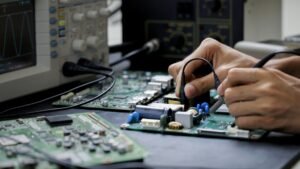
3. Heavy Workloads Increase Heat Stress on Internal Components
High-usage microwaves often operate continuously, with little time to cool down between cycles. Consequently, this constant operation produces intense internal heat, which eventually affects:
- The magnetron
- Internal wiring
- Electronic circuits
- Ventilation systems
Over time, heat stress accelerates internal deterioration, making malfunction more likely.
Therefore, Frequent Testing Helps Because: It monitors internal performance and detects irregularities caused by prolonged heat exposure.
4. Compliance Requirements for Commercial Facilities
Furthermore, many industries must follow strict safety regulations regarding electrical appliances. Facilities such as:
- Restaurants
- Hotels
- Schools and universities
- Hospitals
- Corporate offices
- Industrial cafeterias
are required to perform routine microwave safety tests.
Hence, Frequent Testing Helps By: Keeping the facility compliant with legal standards and avoiding fines or operational disruptions.

5. Protecting Staff and Customers From Potential Health Risks
Prolonged exposure to microwave radiation may contribute to health concerns such as:
- Headaches
- Fatigue
- Stress
- Potential long-term tissue damage
In high-traffic facilities, many individuals—staff, customers, or patients—stand near microwaves every day. Therefore, maintaining safe equipment is essential.
Thus, Frequent Testing Helps Because: It ensures the appliance operates safely, protecting everyone in the facility.
6. Preventing Unexpected Breakdowns and Costly Downtime
In addition, high-usage environments depend heavily on microwaves for smooth daily operations. A sudden breakdown can disrupt workflow, reduce service quality, and create customer dissatisfaction. Minor issues left unchecked can quickly turn into major failures.
As a Result, Frequent Testing Helps By: Catching issues early, preventing costly repairs, and reducing downtime.
Tips for High-Usage Microwave Testing
To ensure a safe and efficient setup, it is important to follow these best practices:
- Schedule testing monthly or quarterly, based on usage levels.
- Inspect seals and hinges regularly.
- Use certified microwave leakage detectors or professional testing kits.
- Maintain a record of all tests for compliance.
- Replace or repair faulty microwaves immediately.
- Encourage staff to report unusual noises, odors, or slow heating. To Know More Click Here

Conclusion
High-usage facilities depend on microwaves every single day. However, increased usage leads to faster wear, greater stress, and a higher risk of radiation leakage. Therefore, frequent microwave testing is not just recommended—it is essential. These routine checks protect people, maintain compliance, reduce downtime, and ensure long-term equipment reliability. Ultimately, in environments where microwaves work nonstop, safety checks must never be ignored. By prioritizing frequent testing, high-usage facilities create a safer, more efficient, and more responsible operational space.
SafeTag – Your Safety Partner in New Zealand
Ensure workplace safety and compliance with SafeTag’s professional testing services. We offer certified solutions for Electrical Testing & Tagging, RCD Testing, Microwave Leakage Testing, and Portable Appliance Testing (PAT). Trust our experts for hassle-free, on-site service tailored to your business needs.