Why Portable Tools Need More Frequent Testing in High-Risk Jobs
Portable tools play a crucial role in industries like construction, mining, industrial manufacturing, maintenance, welding and electrical field services. These tools increase efficiency, save labour time, and allow teams to complete tasks faster and more accurately. However, in high-risk workplaces, the use of portable equipment also increases the chances of electrical faults, insulation breakdown, cable damage and unexpected failures.
Because of this, portable tools need more frequent testing to ensure the safety of both the workers and the workplace. To Know More Click Here
Why Frequent Testing Matters More in High-Risk Environments
In high-risk job roles, portable electrical tools are exposed to tough, demanding conditions every single day. Tools are dragged, dropped, handled roughly, used outdoors, exposed to dust, water, vibration and heat. Over time these conditions weaken insulation, damage plug pins, crack casings, and wear out internal wiring.
Even a small invisible fault can trigger:
- Electric shock
- Short circuits
- Fire hazards
- Machine breakdowns
- Serious workplace injuries
This is why “annual testing” is not enough for heavy-duty environments. They require shorter test cycles and strict inspection schedules. To Know More Click Here
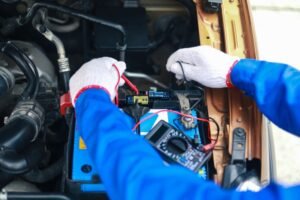
Top Reasons High-Risk Jobs Require More Frequent Testing
- Higher Wear and Tear Rate
Tools in construction zones, workshops and factories experience extreme daily wear. Faster deterioration = faster testing frequency. - Greater Exposure to Moisture and Dust
Outdoor jobs increase the risk of corrosion, loose connections and leakage currents. Regular testing ensures these don’t go unnoticed. - Heavy Load Usage and Overheating
Tools used continuously in production or repair work get overheated. Frequent testing catches early signs of thermal damage. - More Human Interaction and Handling
Multiple workers use the same tools — misuse, mishandling and accidental drops are common. Regular tests help maintain consistent safety. - Regulatory Compliance Requirements
Many industrial standards require shorter testing cycles for high-risk categories. Failure to follow can lead to legal issues and penalties.
What Tests Are Typically Done?
- Portable Appliance Testing (PAT)
- Earth continuity testing
- Insulation resistance checks
- Visual inspection for cracks, burns, cuts and cable damage
- Leakage current measurement
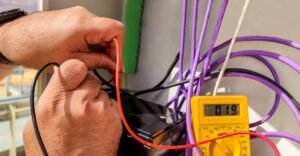
Each of these tests helps identify faults before they become dangerous. To Know More Click Here
Conclusion
Frequent testing of portable tools in high-risk jobs is not just a safety practice — it’s a necessity. The harsh working conditions increase the risk of electrical hazards, and regular testing prevents accidents before they happen. By reducing test intervals, companies protect workers, maintain productivity, and ensure compliance with safety regulations. In high-risk workplaces, safety isn’t occasional — it’s continuous.
SafeTag – Your Safety Partner in New Zealand
Ensure workplace safety and compliance with SafeTag’s professional testing services. We offer certified solutions for Electrical Testing & Tagging, RCD Testing, Microwave Leakage Testing, and Portable Appliance Testing (PAT). Trust our experts for hassle-free, on-site service tailored to your business needs.