Why Every Company Needs a Structured Electrical Testing Plan
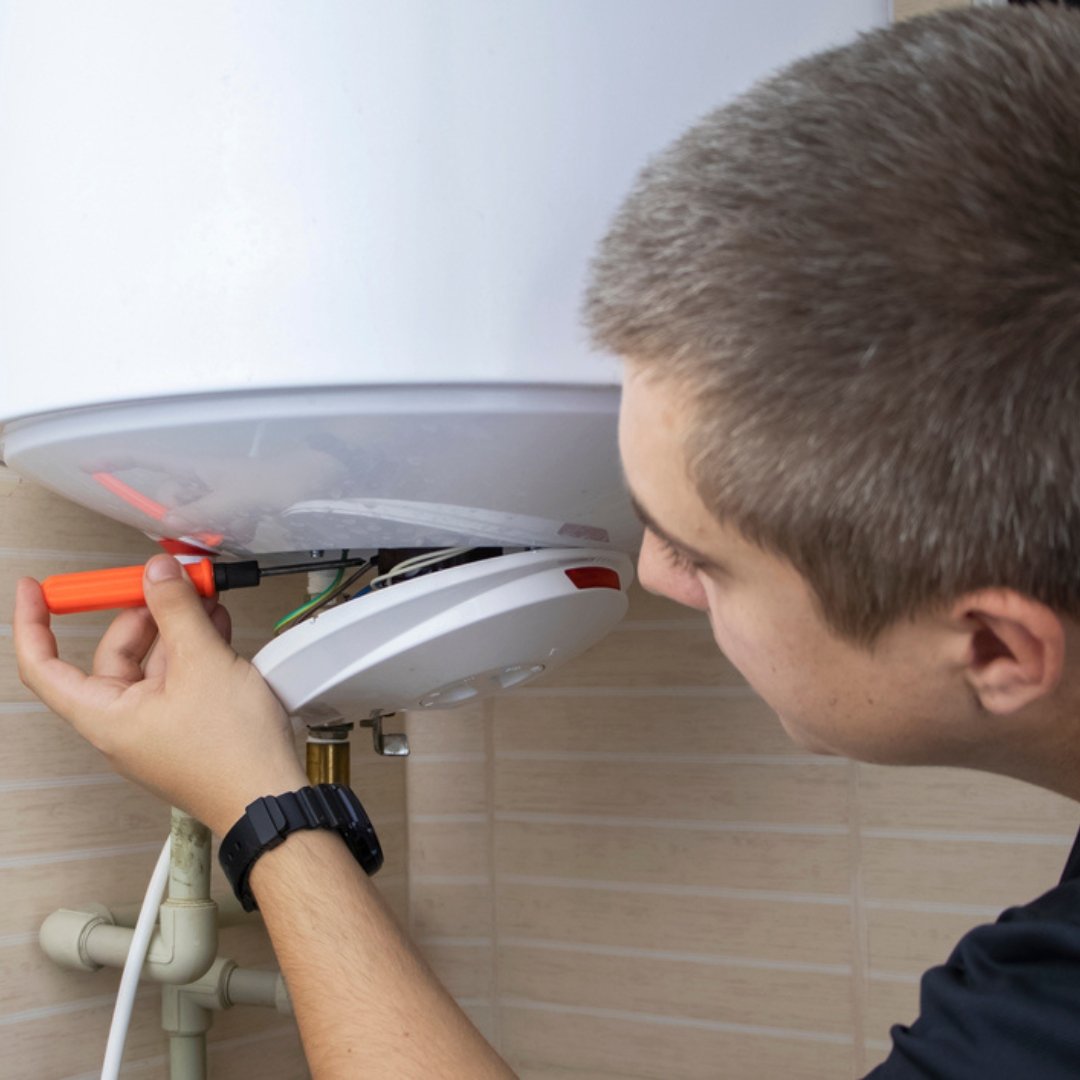
In every workplace, electrical systems power essential operations — from machinery and lighting to computers and safety devices. But while companies focus on productivity, electrical safety often gets overlooked until a problem appears. A single electrical failure can cause equipment damage, unexpected downtime, costly repairs, or even workplace accidents.
This is why every organisation must have a structured electrical testing plan. It provides a systematic approach to monitoring, maintaining, and improving electrical safety across the facility. Whether your company is small or large, a well-designed plan protects equipment, employees, and business continuity. To Know More Click Here

1. Ensures Workplace Safety
Electrical faults are one of the leading causes of fires, shocks, and equipment-related accidents. A structured testing plan identifies unsafe wiring, insulation breakdowns, overloads, and worn-out components long before they cause harm.
How a Testing Plan Improves Safety:
- Detects hidden electrical hazards early.
- Reduces the risk of electric shocks and fire incidents.
- Helps maintain a safe and compliant working environment.
- Ensures regular inspection of power cords, sockets, and critical equipment.
Example:
A factory using heavy machinery that runs round the clock can develop unnoticed cable wear. Routine testing catches this early, preventing potential fires.
2. Increases Equipment Lifespan
Machines and electrical devices operate more efficiently when their components are regularly tested and maintained. A structured testing plan prevents minor issues from becoming major failures.
Benefits:
- Minimises repair costs.
- Improves equipment reliability.
- Reduces the frequency of replacements.
- Ensures machines work at optimal performance.
Tip:
Thermal scanning and portable appliance testing (PAT) often reveal overheating components that need immediate attention. To Know More Click Here

3. Helps Meet Legal and Compliance Requirements
Many countries, including New Zealand, require organisations to follow safety regulations related to electrical equipment testing. A structured plan ensures compliance with standards and helps avoid penalties.
A Strong Compliance Plan Includes:
- Scheduled testing intervals.
- Proper documentation of test results.
- Certified testing professionals.
- Adherence to workplace safety standards.
Companies that maintain proper records of electrical tests also find compliance audits smoother and faster.
4. Reduces Operational Downtime
Unexpected electrical failures can halt operations instantly, leading to production delays and financial losses. With structured testing, companies can prevent outages and plan maintenance activities in advance.
Advantages:
- Early detection of weak circuits or failing components.
- Prevents equipment breakdown during peak business hours.
- Helps schedule maintenance during non-operational times.
- Improves workflow continuity.
Example:
A commercial kitchen can’t afford a sudden breakdown of its cooking equipment during busy hours. Regular testing ensures uninterrupted service.
5. Protects Employees and Customers
Electrical safety isn’t just about compliance — it’s about people. A structured testing plan reduces risks to employees, customers, and contractors who interact with the facility daily.
Key Outcomes:
- Safer working conditions.
- Better confidence among staff.
- Reduced liability for the company.
- More professional, responsible workplace culture.
People trust businesses that prioritise safety.

6. Provides Clear Documentation and Accountability
A structured plan includes detailed reports, test logs, schedules, and maintenance histories. This documentation is valuable during audits, insurance claims, or equipment replacement planning.
Documentation Helps With:
- Tracking equipment performance.
- Identifying recurring issues.
- Budgeting for upgrades or repairs.
- Managing responsibilities between teams and contractors.
Well-documented testing records strengthen a company’s risk management strategy.
7. Saves Money in the Long Run
While some business owners hesitate due to testing costs, structured electrical testing actually helps companies save significantly over time.
Cost-Saving Benefits:
- Prevents expensive emergency repairs.
- Avoids downtime-related business losses.
- Reduces the risk of fire damage.
- Improves energy efficiency.
Preventive maintenance is always cheaper than reactive maintenance. To Know More Click Here

Conclusion
A structured electrical testing plan is not a luxury – it’s a necessity. It keeps workplaces safe, ensures compliance, protects expensive equipment, reduces downtime, and builds a strong safety culture within the organisation. Whether your company operates in offices, factories, warehouses, or commercial kitchens, regular electrical testing is a smart investment that delivers long-term protection.
SafeTag – Your Safety Partner in New Zealand
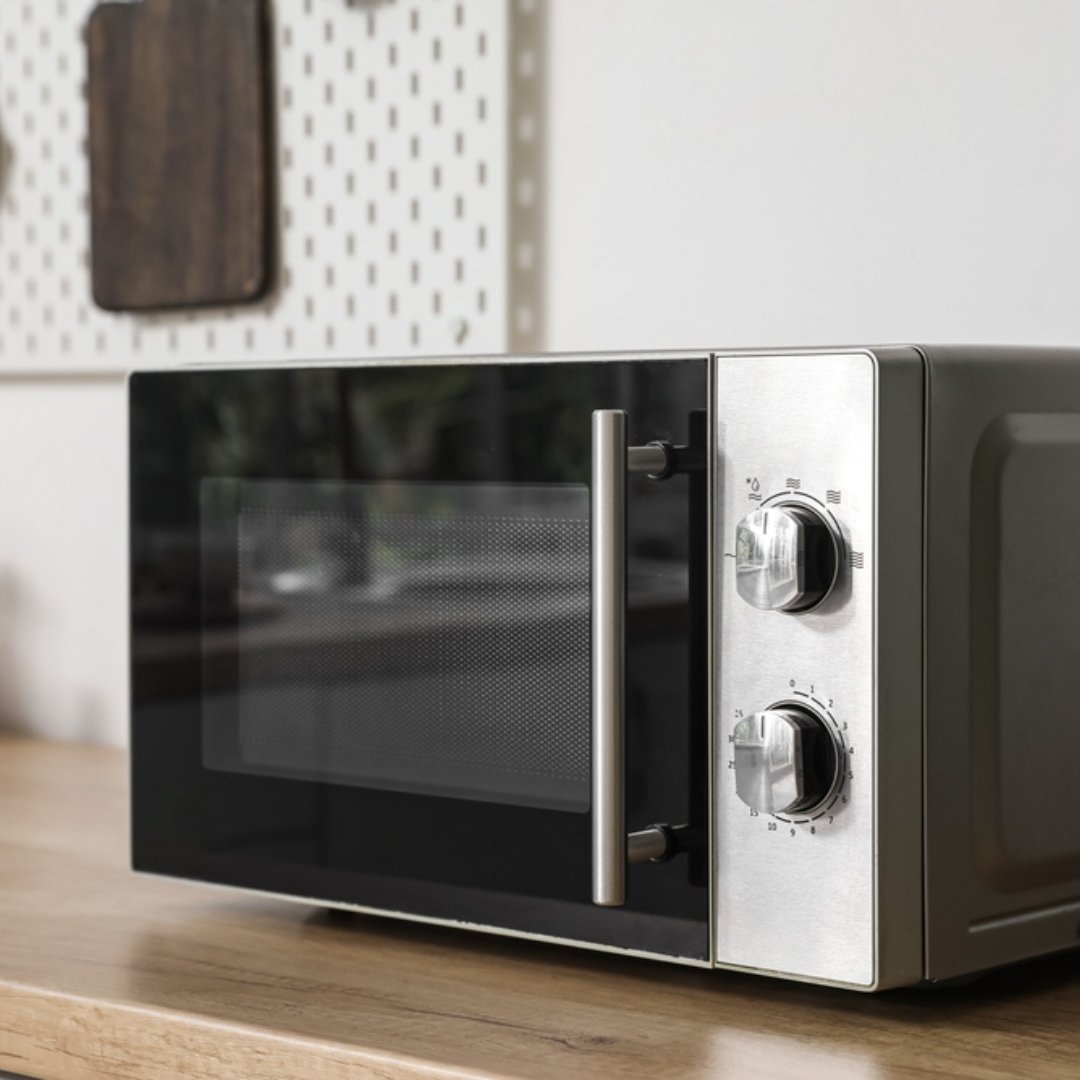
Ensure workplace safety and compliance with SafeTag’s professional testing services. We offer certified solutions for Electrical Testing & Tagging, RCD Testing, Microwave Leakage Testing, and Portable Appliance Testing (PAT). Trust our experts for hassle-free, on-site service tailored to your business needs.