The Dangers of DIY Appliance Testing in New Zealand
Electrical appliances play a crucial role in every home and workplace across New Zealand. From kitchen equipment to office devices, we rely on them for daily operations. But like all electrical equipment, appliances can develop faults over time—sometimes without visible warning. When these faults go unnoticed, they can lead to electric shocks, fires, and serious injuries.
Because of this, appliance testing and tagging are essential for safety. However, many people attempt to perform DIY testing to save money or avoid hiring a certified technician. While it may seem convenient, DIY appliance testing comes with serious risks. This blog explains the dangers of do-it-yourself testing and why relying on qualified professionals is the safest choice. To Know More Click Here
1. Incorrect Testing Leads to False Safety Results
DIY testers often use basic or cheap tools bought online. These tools may not meet New Zealand standards such as AS/NZS 3760, which sets strict guidelines for electrical safety testing.
Why It’s Dangerous:
- You may think an appliance is safe when it actually has hidden faults.
- A false “pass” can lead to continued use of a hazardous appliance.
- Improper testing can miss issues like insulation breakdown, earth leakage, or wiring faults.
Example:
A DIY tester might pass a kettle that actually has a damaged earth conductor, increasing the risk of electric shock.
2. Lack of Knowledge About NZ Electrical Safety Standards
Professional testers follow detailed procedures defined by AS/NZS 3760:2022. DIY users often do not know these standards.
Why It’s Dangerous:
- Missing required tests (earth continuity, insulation resistance, polarity).
- Using the wrong test settings for different appliance types.
- Not knowing the correct retest intervals for workplaces.
Tip:
In New Zealand, workplaces can face fines if appliances are not tested according to compliance rules. To Know More Click Here
3. Risk of Electric Shock During DIY Testing
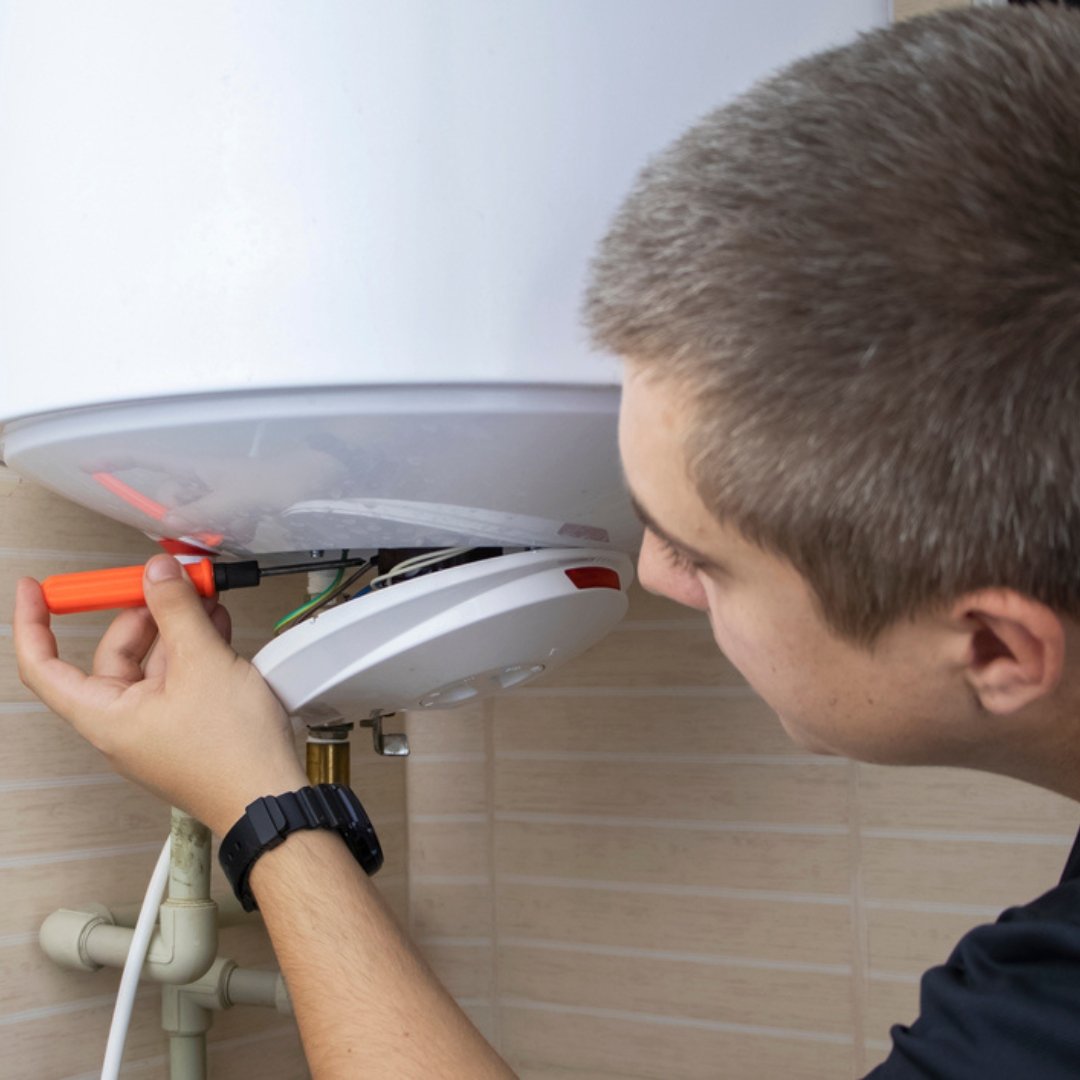
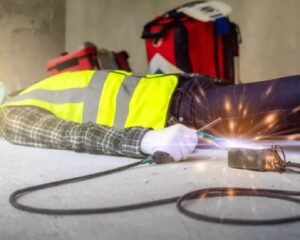
DIY testing often involves opening plugs, inspecting cables, or handling live equipment. Without proper training or protective equipment, this becomes extremely risky.
Why It’s Dangerous:
- Exposure to live electrical parts.
- Electric shock injuries due to incorrect handling.
- Serious burns from accidental contact during continuity or live testing.
Example:
A person testing a portable heater without isolating it properly may accidentally touch a live terminal.
4. Use of Inaccurate or Uncalibrated Devices
Professional PAT testers in New Zealand use calibrated test instruments to ensure accurate readings. DIY testers often rely on uncalibrated or outdated devices.
Why It’s Dangerous:
- Inaccurate results can mask dangerous faults.
- Calibration is essential to validate that test results meet safety requirements.
- Faulty equipment may fail to measure leakage currents or insulation resistance correctly.
Tip:
Professional testers calibrate their tools at least once a year to stay compliant.
5. No Proper Documentation or Compliance Records
New Zealand workplaces must maintain proper test records to meet WorkSafe requirements.
Why DIY Testing Fails:
- Homemade testing records are rarely accepted during audits.
- Lack of traceability if an incident occurs.
- No verified tag or barcode linked to a technician.
Example:
If a fire occurs due to a faulty appliance, DIY testing records may not protect the business from liability.

6. Potential Legal and Insurance Issues
DIY appliance testing may appear cost-effective, but it can lead to major financial consequences.
Possible Risks:
- WorkSafe fines for non-compliance.
- Insurance companies rejecting claims due to invalid testing.
- Legal liability if an employee gets injured by an untested appliance.
Note:
Many NZ insurers require professional test & tag services for commercial spaces.
7. False Sense of Safety
When people test appliances themselves, they often believe the environment is safe—when in reality, dangers may still exist.
Why It Matters:
- Undetected faults continue to pose a risk.
- Staff may unknowingly use unsafe equipment.
- Businesses assume compliance but actually fail safety audits.
8. Professional Testing Provides Complete Peace of Mind
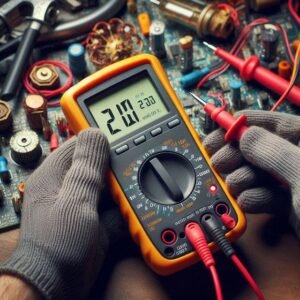
In contrast, certified technicians use advanced PAT testers, follow strict NZ electrical standards, and provide compliant tags and records.
Benefits of Professional Testing:
- Accurate, reliable results.
- Fully documented reports for audits and insurance.
- Regular scheduling of test intervals.
- High-quality tools and calibrated equipment.
- Trained experts who identify risks before they become accidents.
Tip:
For NZ workplaces-cafes, factories, offices, schools, retail stores—professional testing is the safest and most compliant choice. To Know More Click Here
Conclusion
DIY appliance testing may seem easy, but the risks far outweigh the benefits—especially in a safety-focused country like New Zealand. From false readings and missed faults to non-compliance and insurance issues, DIY testing can lead to costly and dangerous consequences. By choosing professional Test & Tag services, you protect your home, business, staff, and customers. Certified technicians ensure your appliances meet NZ safety standards and operate without risk. “Electrical safety is not a DIY experiment. Always rely on trained professionals to keep your workplace legally compliant and safe.“
SafeTag – Your Safety Partner in New Zealand
Ensure workplace safety and compliance with SafeTag’s professional testing services. We offer certified solutions for Electrical Testing & Tagging, RCD Testing, Microwave Leakage Testing, and Portable Appliance Testing (PAT). Trust our experts for hassle-free, on-site service tailored to your business needs.