Why Commercial Kitchens Should Never Skip Microwave Leakage Checks
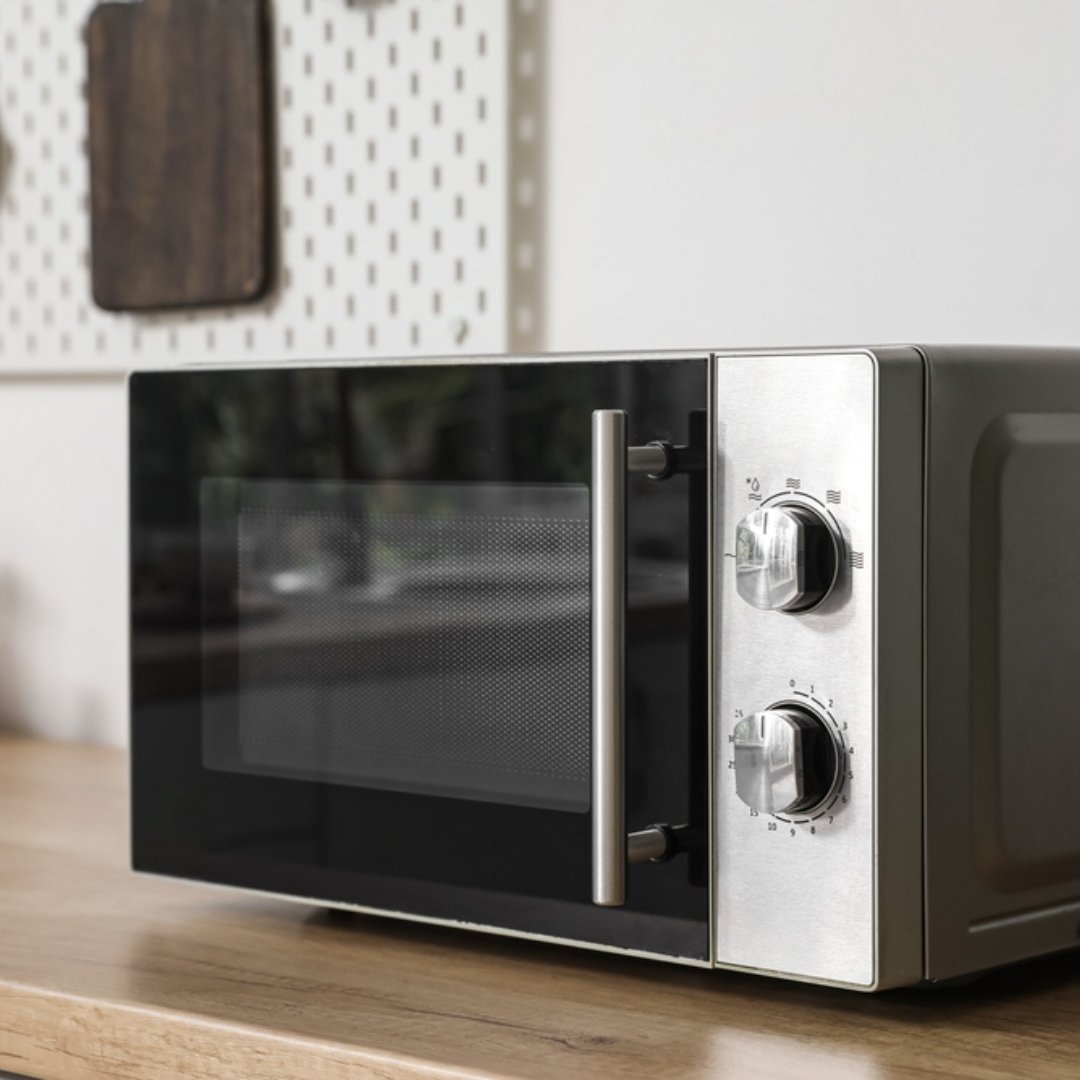
In commercial kitchens, every second matters. Restaurants, cafés, hotels, bakeries, industrial canteens, and catering units rely on fast heating equipment to maintain quick turnaround times. Among all the appliances used, microwaves are used frequently for reheating, thawing, tempering chocolate, warming pre-prepped items, and even speeding up service during peak hours. Because of this intensive and continuous use, commercial microwaves undergo more stress than household units.
Just like any other electrical equipment, microwaves can develop internal issues over time. One of the most critical safety concerns is microwave radiation leakage. This issue is often ignored because the microwave may still appear to function normally. But unseen radiation leakage can gradually create health risks for kitchen staff who operate near these devices every single day. To Know More Click Here
Why Leakage Checks Are Essential in Food-Service Environments
In commercial setups, microwave ovens are opened and closed hundreds of times a day. The door seals, locks, latches, hinges, and the metal mesh lining inside the glass panel are the first components to wear out. These parts are responsible for containing the radiation inside the oven.
Once any gap begins to form — even a small one — microwaves can leak into the surrounding environment.
This is dangerous because:
- Staff may stand close to the microwave during rush hours.
- The exposure builds up daily, not just one time.
- Employees may not realize anything is wrong, because leakage is invisible.
So the damage is silent — and that makes it even more important to test regularly. To Know More Click Here
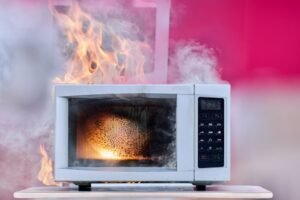
Long-Term Risks of Ignoring Leakage Checks
Microwave leakage is not a dramatic event like an electrical spark or smoke. It does not show immediate symptoms. But long-term exposure has documented negative effects. Continuous exposure to radiation may contribute to:
- Eye strain and discomfort
- Headaches and fatigue
- Skin irritation
- Potential tissue stress
More importantly, commercial kitchens are governed by safety standards — and one of the global benchmarks is that microwave leakage must not exceed 5 mW/cm². If an inspector finds higher leakage, it can lead to compliance failures, penalties, warnings, or forced equipment shutdown. In a business environment where hygiene, safety, and standards matter — this becomes a serious concern.
The Role of Professional Leakage Testing
Professional leakage testing is not just a recommendation — it should be part of scheduled kitchen maintenance.
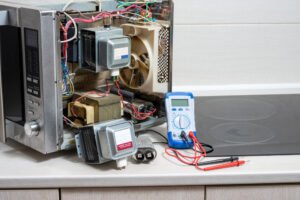
Certified technicians use calibrated devices like:
- Microwave leakage detectors
- EMF meters
- Professional radiation test kits
These devices check the radiation levels around the door frame, handle, seals, and vents while the microwave is running. The testing process is quick, but the information it provides is crucial.
By detecting leakage early, commercial kitchens can:
- Get faulty seals replaced on time
- Extend the lifespan of their equipment
- Prevent breakdowns during peak business hours
- Protect staff from long-term exposure
- Maintain regulatory compliance
Safety is Not Optional — It’s a Business Responsibility
Modern customers care about safety, hygiene, and responsibility. Businesses also have a duty to protect their workforce. Microwave leakage testing should be treated just like:
- Fire extinguisher checks
- Exhaust hood cleaning
- Food safety certifications
- Temperature monitoring of refrigerators
It is not a minor maintenance activity — it is a health protection measure. To Know More Click Here
Conclusion
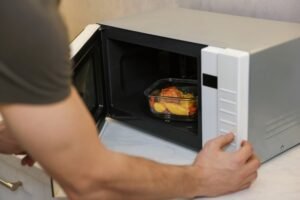
Skipping microwave leakage checks in commercial kitchens is a hidden risk that could cost more than it saves. Routine testing ensures safety, upholds compliance standards, and supports smooth business operations. A microwave may appear to work perfectly from the outside — but only proper testing can confirm that it is safe from the inside.
In commercial kitchens, regular microwave leakage testing is not just a technical requirement — it is a professional responsibility.
SafeTag – Your Safety Partner in New Zealand
Ensure workplace safety and compliance with SafeTag’s professional testing services. We offer certified solutions for Electrical Testing & Tagging, RCD Testing, Microwave Leakage Testing, and Portable Appliance Testing (PAT). Trust our experts for hassle-free, on-site service tailored to your business needs.