The Science Behind Microwave Ovens and Radiation
Microwave ovens have become an essential part of modern kitchens. From reheating leftovers and defrosting frozen food to making popcorn in minutes, they save us time and effort. But many people still wonder — what exactly happens inside a microwave? Is it safe? And what about all those stories linking microwaves to health risks? To answer these questions, let’s dive into the science behind microwave ovens and the truth about radiation. To Know More Click Here

How Microwave Ovens Work
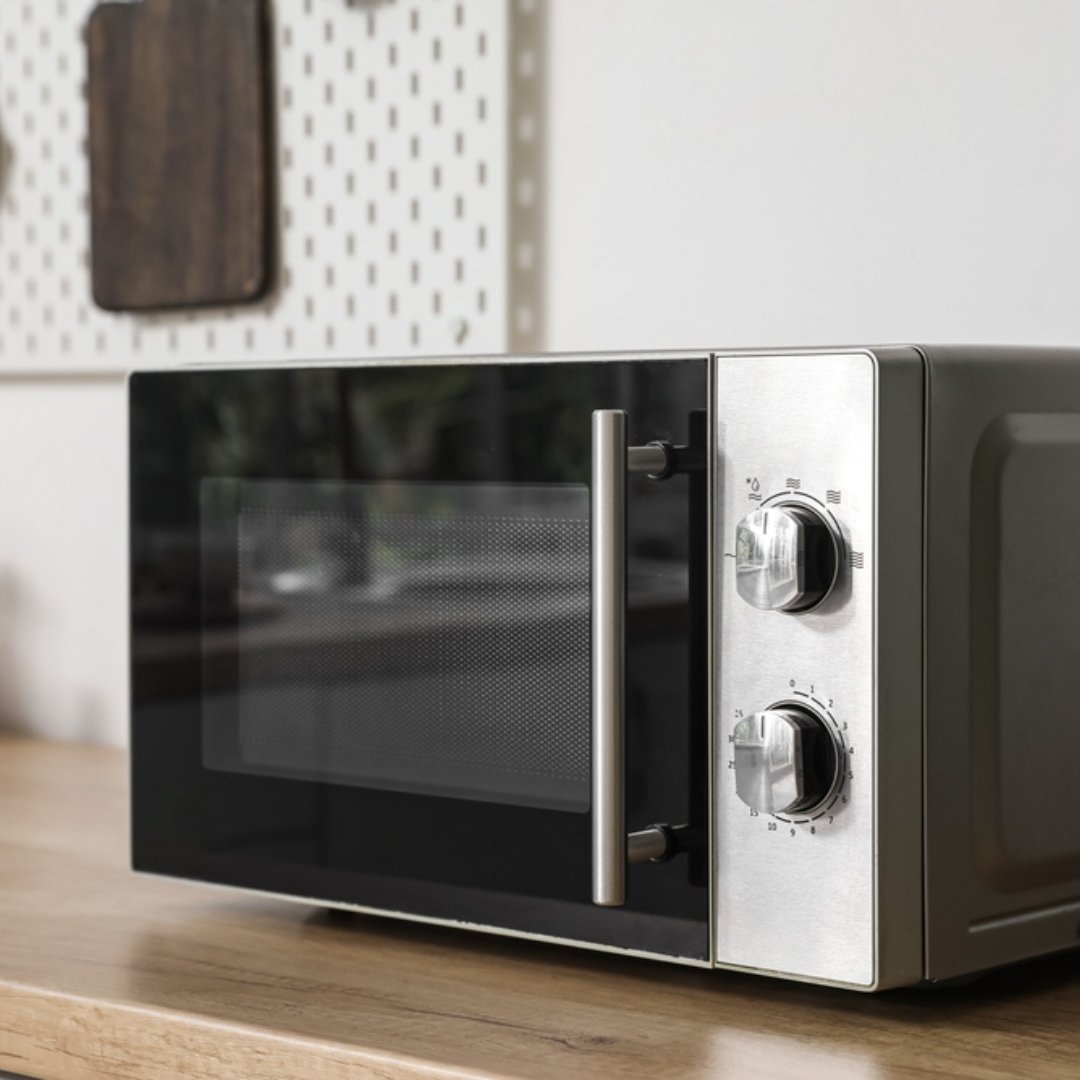
Microwave ovens use microwave radiation, a type of electromagnetic wave, to heat food. These waves belong to the non-ionizing part of the electromagnetic spectrum. Unlike harmful ionizing radiation (such as X-rays or gamma rays), microwaves don’t damage DNA or cause cancer.
Here’s what really happens:
- Inside every microwave oven, there’s a device called a magnetron.
- The magnetron produces microwaves at a frequency of about 2.45 gigahertz.
- When these microwaves enter food, they make water molecules vibrate rapidly.
- This vibration creates friction, which generates heat and cooks the food.
In simple terms, microwaves heat food from the inside out by targeting the water content. That’s why foods with high water content, like vegetables, soups, and pasta, heat up quickly.
Why Microwaves Are Safe
The word “radiation” often scares people, but in reality, radiation just means energy moving through space. Not all radiation is harmful. The microwaves inside your oven are specifically designed to cook food safely.
Here’s how microwave ovens keep you protected:
- Metal Chamber: The inside walls are made of metal that keeps microwaves from escaping.
- Mesh Door Screen: The small holes in the door’s mesh are tiny enough to block microwaves but large enough to let you see inside.
- Automatic Shutoff: If you open the door, safety switches stop microwave production instantly.
- Strict Standards: Every microwave sold must meet international safety regulations that limit any possible leakage to far below harmful levels.
So, standing near your microwave while it’s running is completely safe. To Know More Click Here

Microwaves and Food Nutrition
A common concern is whether microwaving food destroys nutrients. In fact, research shows the opposite:
- Shorter cooking times mean less nutrient loss.
- Minimal water usage helps preserve water-soluble vitamins like vitamin C and B vitamins.
- Gentle heating reduces nutrient breakdown compared to long boiling or frying.
For example, steaming broccoli in the microwave can actually preserve more vitamin C compared to boiling it in water. So, your microwave may be doing your health a favor!
Myths vs. Facts About Microwaves
Let’s clear up some popular misconceptions:
- Myth 1: Microwaves make food radioactive.
Fact: Impossible. Microwaves don’t alter the atomic structure of food; they only make molecules move faster. - Myth 2: Microwaves leak harmful radiation.
Fact: Modern ovens are tightly sealed. Leakage, if any, is far below safety limits. - Myth 3: Microwaved food is unhealthy.
Fact: Nutrients are preserved, and food safety is the same as with other cooking methods. - Myth 4: Microwaves cause cancer.
Fact: There’s no scientific evidence linking microwaves to cancer.
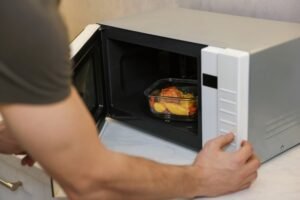
Everyday Safety Tips for Microwave Use
Even though microwave ovens are safe, following good habits ensures better results:
- Always use microwave-safe containers (glass, ceramic, or labeled plastics). Avoid metal.
- Stir food halfway through cooking for even heating.
- Let food stand for a minute after microwaving — heat continues to distribute.
- Avoid microwaving whole eggs, sealed jars, or tightly packed foods (they can explode).
- Clean the oven regularly to prevent odors and improve efficiency.
Quick FAQ About Microwave Ovens
Q1. Can I stand near a microwave while it’s on?
Yes. Modern microwaves are designed to prevent leakage. Standing next to one is safe.
Q2. Does microwaving kill bacteria?
Yes — as long as the food reaches the right internal temperature, just like with stovetop cooking.
Q3. Why does food sometimes heat unevenly?
Microwaves don’t always penetrate thick foods evenly. That’s why most ovens have a turntable, and stirring helps.
Q4. Can I microwave plastics?
Only if they are labeled microwave-safe. Some plastics can melt or release harmful chemicals.
Q5. Is it safe to run a microwave empty?
No. Without food to absorb the waves, they bounce around and may damage the oven. To Know More Click Here

Final Word
Microwave ovens are safe, efficient, and reliable kitchen helpers. They use non-ionizing radiation, which poses no health risks, and they actually help preserve nutrients better than some traditional cooking methods.
So, the next time you reheat your leftovers or steam your vegetables, you can do it with confidence — knowing the science is on your side.
SafeTag – Your Safety Partner in New Zealand
Ensure workplace safety and compliance with SafeTag’s professional testing services. We offer certified solutions for Electrical Testing & Tagging, RCD Testing, Microwave Leakage Testing, and Portable Appliance Testing (PAT). Trust our experts for hassle-free, on-site service tailored to your business needs.