The Role of Homeowners in RCD Maintenance
When it comes to household electrical safety, one device stands out as a lifesaver: the Residual Current Device (RCD), also commonly called a safety switch. This small switch on your electrical board plays a big role in protecting lives. It works by cutting off power within milliseconds if it detects a leakage of current—something that can happen when a person accidentally touches a live wire or when faulty wiring allows electricity to flow where it shouldn’t.
While licensed electricians are responsible for installing and professionally servicing RCDs, homeowners play an equally important role in keeping them in top condition. RCD maintenance isn’t just a technical responsibility—it’s about protecting your family, home, and property. To Know More Click Here
Why RCD Maintenance is Critical
- Life-Saving Protection: RCDs are designed to prevent electrocution by quickly shutting off the circuit when danger is detected. A malfunctioning RCD could mean the difference between life and death.
- Fire Prevention: Faulty electrical systems can cause sparks, overheating, and fires. A well-maintained RCD lowers this risk significantly.
- Legal & Insurance Implications: In many regions, homes are legally required to have functioning RCDs. Insurance claims for electrical damage may be affected if RCDs are not properly maintained.
In short, neglecting RCD maintenance can compromise both safety and compliance.
Homeowner Responsibilities in RCD Maintenance
Homeowners don’t need advanced electrical knowledge to take part in RCD maintenance. A few simple but regular actions can make all the difference.
1. Monthly RCD Testing
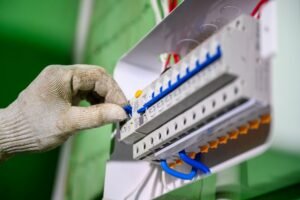
- Every RCD has a “Test” button, usually labeled with a T. Pressing it simulates a fault, and the switch should instantly trip.
- If the RCD doesn’t trip, it may be faulty and requires immediate professional inspection.
- After testing, remember to reset the RCD so your home’s power supply is restored.
Tip: Set a phone reminder or mark your calendar to test your RCD once a month.
2. Visual Inspections
Homeowners should regularly check their switchboards and outlets for signs of problems, such as:
- Burn marks or discoloration
- Cracks, melted plastic, or loose fittings
- Strange buzzing or humming sounds near outlets or the switchboard
- A smell of burning or overheated wiring
Any of these signs may indicate that the RCD (or wiring) is under stress and needs immediate attention from an electrician. To Know More Click Here
3. Understanding Nuisance Tripping
Sometimes RCDs may trip frequently, even when no obvious danger is present. This is often called nuisance tripping, and it can be triggered by:
- Old or faulty appliances
- Moisture in outdoor power points
- Overloaded circuits
- Damaged cords or plugs
Homeowners can troubleshoot by unplugging appliances one by one and checking if the RCD still trips. If the problem continues, call a licensed electrician—never attempt DIY fixes.
4. Safe Appliance Use
RCDs are only as effective as the appliances they protect. Homeowners should:
- Avoid using damaged cords or plugs.
- Keep appliances dry and away from damp areas.
- Store outdoor electrical tools properly when not in use.
- Replace aging appliances that constantly trip the RCD.
5. Keep a Maintenance Log
Recording each monthly test, along with any unusual tripping incidents, creates a useful history. This log helps electricians diagnose problems faster and ensures no test is missed. To Know More Click Here
When to Call a Professional
Homeowners should never attempt to repair or replace an RCD themselves. Call a licensed electrician immediately if:
- The RCD does not trip when tested.
- The RCD trips too frequently without an obvious cause.
- Resetting the RCD doesn’t restore power.
- You notice burning smells, sparks, or overheating at the switchboard.
Regular professional servicing every 1–2 years is also recommended for thorough testing with specialized equipment that homeowners cannot use themselves.
Benefits of Active Homeowner Involvement
By taking responsibility for simple RCD checks, homeowners can enjoy multiple benefits:
- Increased Safety – Ensures the device is ready to act in emergencies.
- Peace of Mind – Confidence that family members are protected from electrical hazards.
- Cost Savings – Early detection prevents small faults from becoming major repairs.
- Compliance & Insurance Security – Avoids issues with regulations and claims. To Know More Click Here

Conclusion
RCDs are silent guardians of electrical safety, but they only work effectively when maintained. While electricians handle installations and technical servicing, homeowners have an equally important role. By conducting monthly tests, inspecting for warning signs, using appliances safely, and keeping records, they form the first line of defense against electrical hazards.
Think of RCD maintenance as more than just a household task—it’s a commitment to protecting your loved ones and your home. A few minutes each month could save lives.
SafeTag – Your Safety Partner in New Zealand
Ensure workplace safety and compliance with SafeTag’s professional testing services. We offer certified solutions for Electrical Testing & Tagging, RCD Testing, Microwave Leakage Testing, and Portable Appliance Testing (PAT). Trust our experts for hassle-free, on-site service tailored to your business needs.