Why Cafeterias and Canteens Need Strict Microwave Testing Policies
Cafeterias and canteens serve hundreds of people every day—students, employees, customers, and visitors. To keep operations smooth and meals quick, most food service areas rely heavily on microwave ovens. Whether it’s reheating meals, defrosting items, or warming beverages, microwaves play a crucial role in fast-paced food environments.
However, like any frequently used electrical appliance, microwaves in cafeterias and canteens face constant wear and tear. This makes microwave leakage testing not just important, but absolutely essential. Strict microwave testing policies ensure safety, compliance, and uninterrupted operations. Here’s why every cafeteria and canteen must prioritize it. To Know More Click Here
1. High Usage Increases Wear and Tear
Microwaves in commercial food service areas run dozens—sometimes hundreds—of cycles per day. Door hinges, seals, and latches are repeatedly opened and closed, increasing the chances of:
- Loose door seals
- Misaligned hinges
- Damaged latches
- Internal component stress
With frequent use comes faster degradation. Without routine testing, unnoticed faults can develop into radiation leaks.
Why it matters: High-traffic areas require shorter inspection intervals compared to home kitchens.
2. Radiation Leakage Can Affect Staff Health
Microwave radiation leakage is invisible but potentially harmful. Prolonged exposure to leaked microwaves can lead to:
- Headaches
- Fatigue
- Skin irritation
- Eye discomfort
- Long-term health concerns
Canteen and cafeteria staff operate near microwaves for extended periods. A minor leak could lead to daily exposure that goes unnoticed. Strict testing protects the people who handle food and equipment every day. To Know More Click Here
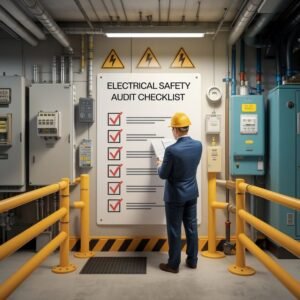
3. Ensures Compliance With Health & Safety Regulations
Commercial establishments—including schools, hospitals, and corporate cafeterias—must follow electrical safety standards. Most safety guidelines recommend:
- Regular microwave leakage testing
- Documentation of test results
- Immediate action on faulty equipment
Failing to comply can lead to:
- Penalties
- Failed inspections
- Forced shutdowns during audits
A testing policy ensures the cafeteria remains compliant and avoids legal complications.
4. Prevents Food Service Disruptions
In busy food environments, a faulty microwave can slow down operations. If multiple microwaves fail due to undetected leakage or damage, it can lead to:
- Service delays
- Longer queues
- Customer dissatisfaction
- Operational chaos during peak hours
Regular testing identifies issues early so appliances can be repaired or replaced before they disrupt service.

5. Protects Students, Employees, and Customers
Microwave leaks don’t just affect staff—they affect everyone around:
- Students in school canteens
- Employees in corporate cafeterias
- Patients and visitors in hospital dining areas
- Customers in public food courts
Radiation leakage becomes a public safety issue when microwaves are in open or shared spaces. A strict testing policy ensures the health and safety of all users.
6. Early Detection Saves Money
Replacing a commercial microwave is expensive. But many issues—like a worn-out door seal or misaligned latch—are simple and low-cost to fix when detected early.
Regular testing helps:
- Catch faults at the earliest stage
- Reduce repair costs
- Extend the lifespan of appliances
- Prevent costly emergency replacements
A scheduled testing policy is more cost-effective than waiting for equipment to fail.
7. Builds Trust and Professional Reputation
In schools, offices, and public dining spaces, safety matters. When a cafeteria or canteen implements clear microwave testing policies, it reflects:
- Professional management
- Commitment to staff and visitor safety
- A proactive, responsible approach to operations
This builds trust and shows that the facility cares about the people it serves. To Know More Click Here

Conclusion
Microwaves are essential tools in cafeterias and canteens, but their heavy usage makes regular testing critical. Strict microwave testing policies protect staff, safeguard customers, ensure compliance, and prevent expensive breakdowns. By adopting a structured testing schedule—whether monthly, quarterly, or based on usage—food service facilities can create a safer, more efficient, and more reliable environment. “Safety begins with responsibility. Strict microwave testing policies are a simple step that guarantees long-term protection for everyone.“
SafeTag – Your Safety Partner in New Zealand
Ensure workplace safety and compliance with SafeTag’s professional testing services. We offer certified solutions for Electrical Testing & Tagging, RCD Testing, Microwave Leakage Testing, and Portable Appliance Testing (PAT). Trust our experts for hassle-free, on-site service tailored to your business needs.