Safe Microwave Usage Practices to Avoid Leakage
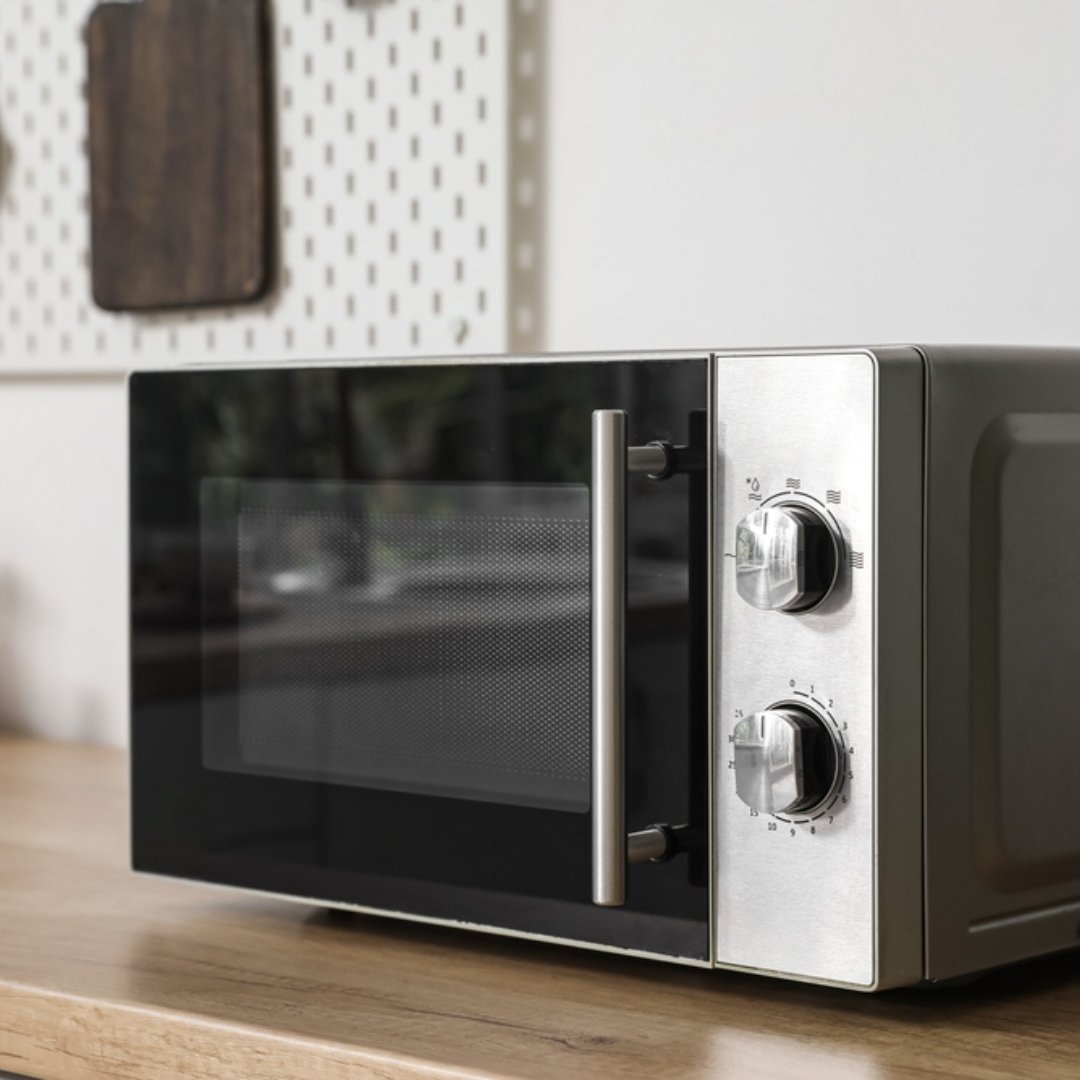
Microwave ovens have become indispensable in modern kitchens, offering convenience, speed, and efficiency for cooking and reheating food. Despite their widespread use, concerns about microwave radiation leakage remain common. While modern microwaves are engineered with multiple safety mechanisms, improper use, wear and tear, or neglect can potentially increase the risk of radiation leakage. Understanding safe practices not only ensures your well-being but also prolongs the life of your appliance. Here’s a comprehensive guide to safe microwave usage. To Know More Click Here
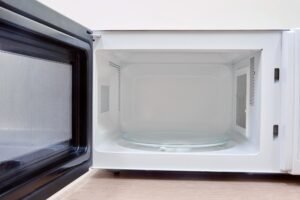
1. Regularly Inspect the Door Seal
The door seal or gasket is the first line of defense against microwave leakage. Over time, grease, dirt, or food particles can accumulate around the edges, preventing the door from closing tightly. In addition, repeated opening and closing may cause wear, cracks, or bending in the seal.
Tips:
- Clean the door seal with a soft cloth and mild detergent regularly.
- Check for visible damage such as cracks or gaps.
- Ensure the door closes smoothly without requiring excessive force.
A compromised seal is the most common cause of leakage, so paying attention to this simple component is crucial.
2. Avoid Using a Damaged Microwave
Even minor physical damage, such as a dented door, cracked glass window, or loose hinges, can reduce the microwave’s effectiveness in containing radiation. Using a damaged appliance can lead to increased leakage and pose serious health risks.
Recommendation:
- Stop using any microwave with visible damage immediately.
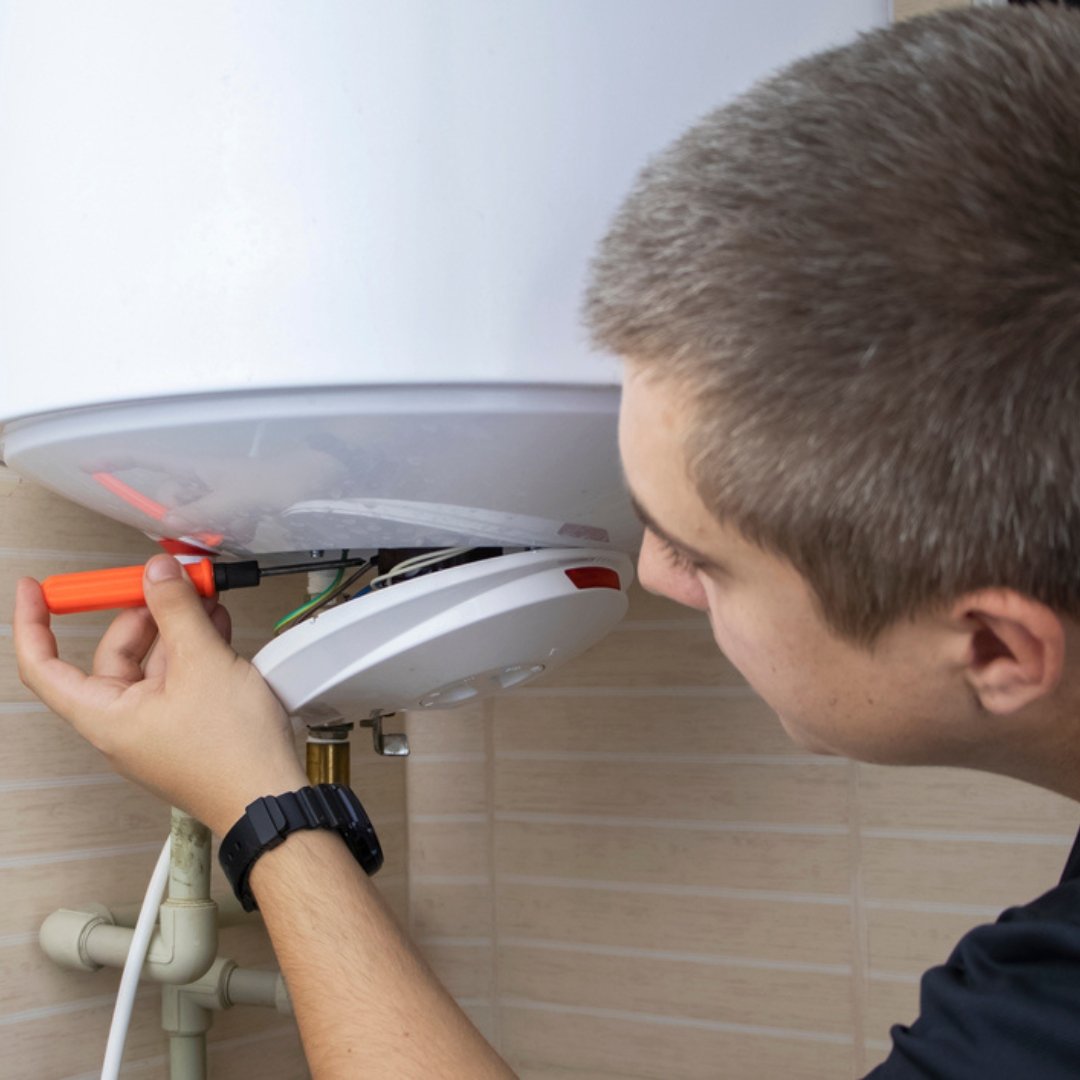
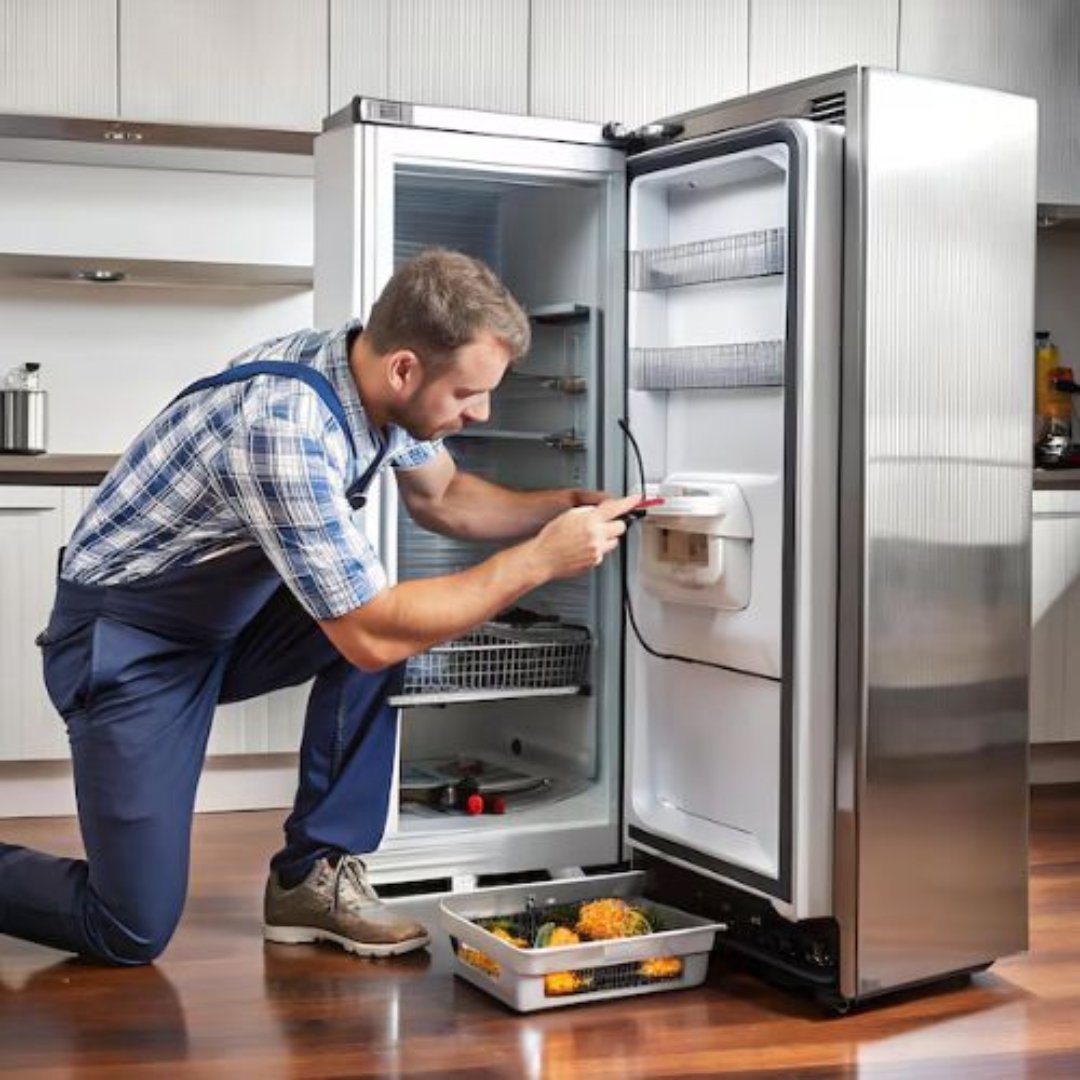
- Have it inspected and repaired by a certified technician.
- Never attempt DIY repairs on the door or electronic components. To Know More Click Here
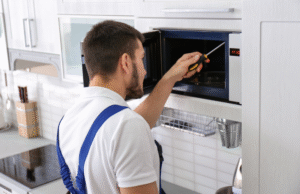
3. Respect Safety Interlocks
Microwave ovens are equipped with safety interlocks that automatically stop the operation of the appliance when the door is opened. These interlocks are vital for preventing radiation exposure. Tampering with them or bypassing their function is extremely dangerous and must be avoided.
4. Keep the Microwave Clean
Accumulated food splatters, grease, and residue not only affect hygiene but can also interfere with the microwave’s protective barrier. Dirty door seals may prevent the door from closing completely, which could lead to leakage.
Best Practices:
- Wipe down the interior after every use.
- Clean the door and seal at least once a week with a damp cloth.
- Avoid abrasive cleaning materials that could damage the surface.
5. Use Microwave-Safe Containers
Using metal containers, aluminum foil, or dishes with metallic trims can create sparks, cause internal damage, and potentially compromise the shielding. Always use microwave-safe glass, ceramic, or BPA-free plastic containers to ensure safety.
Additional Tips:
- Check the label on containers for microwave safety.
- Avoid tightly covering containers with metal lids.
- Stir food during heating to prevent overheating or splattering. To Know More Click Here
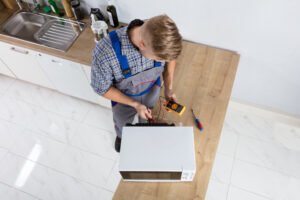
6. Get Professional Microwave Leakage Testing
Even if your microwave appears intact, minor wear or aging components can sometimes cause subtle leakage that is not visible. Professional testing measures the radiation levels and confirms whether your appliance is within safe limits.
Companies specializing in electrical safety, like SafeTag, provide reliable microwave leakage testing services. They use calibrated equipment to measure microwave emissions in milliwatts per square centimeter (mW/cm²) and ensure compliance with safety standards.
7. Replace Old or Faulty Units
Microwave ovens generally have a lifespan of 8–10 years. Beyond this, the risk of component degradation, leakage, and reduced performance increases. Newer models are built with advanced shielding, stricter safety standards, and improved energy efficiency.
Tips:
- Consider upgrading if your unit is older than a decade.
- Choose brands certified for safety standards like IEC 60335-2-25.
- Check warranty and safety features before purchasing.
8. Additional Safety Precautions
- Do not operate an empty microwave: Running it empty can overheat components and damage the unit.
- Maintain distance while operating: Stand a short distance away, especially if the microwave is older.
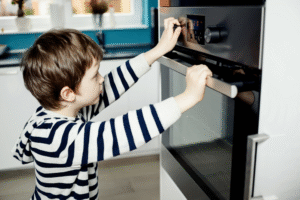
- Educate children: Ensure children know basic microwave safety rules. To Know More Click Here
Conclusion
Microwave ovens are safe and highly efficient when used responsibly. By inspecting seals, keeping the appliance clean, respecting safety interlocks, using proper containers, scheduling professional testing, and replacing old units, you can prevent radiation leakage and ensure safe operation. Simple precautions not only protect your health but also extend the appliance’s lifespan, allowing you to enjoy the convenience of microwave cooking worry-free.
Remember: Safety is not just about avoiding accidents—it’s about maintaining peace of mind in your kitchen.
SafeTag – Your Safety Partner in New Zealand
Ensure workplace safety and compliance with SafeTag’s professional testing services. We offer certified solutions for Electrical Testing & Tagging, RCD Testing, Microwave Leakage Testing, and Portable Appliance Testing (PAT). Trust our experts for hassle-free, on-site service tailored to your business needs.