Understanding Microwave Radiation Levels and Legal Limits in New Zealand
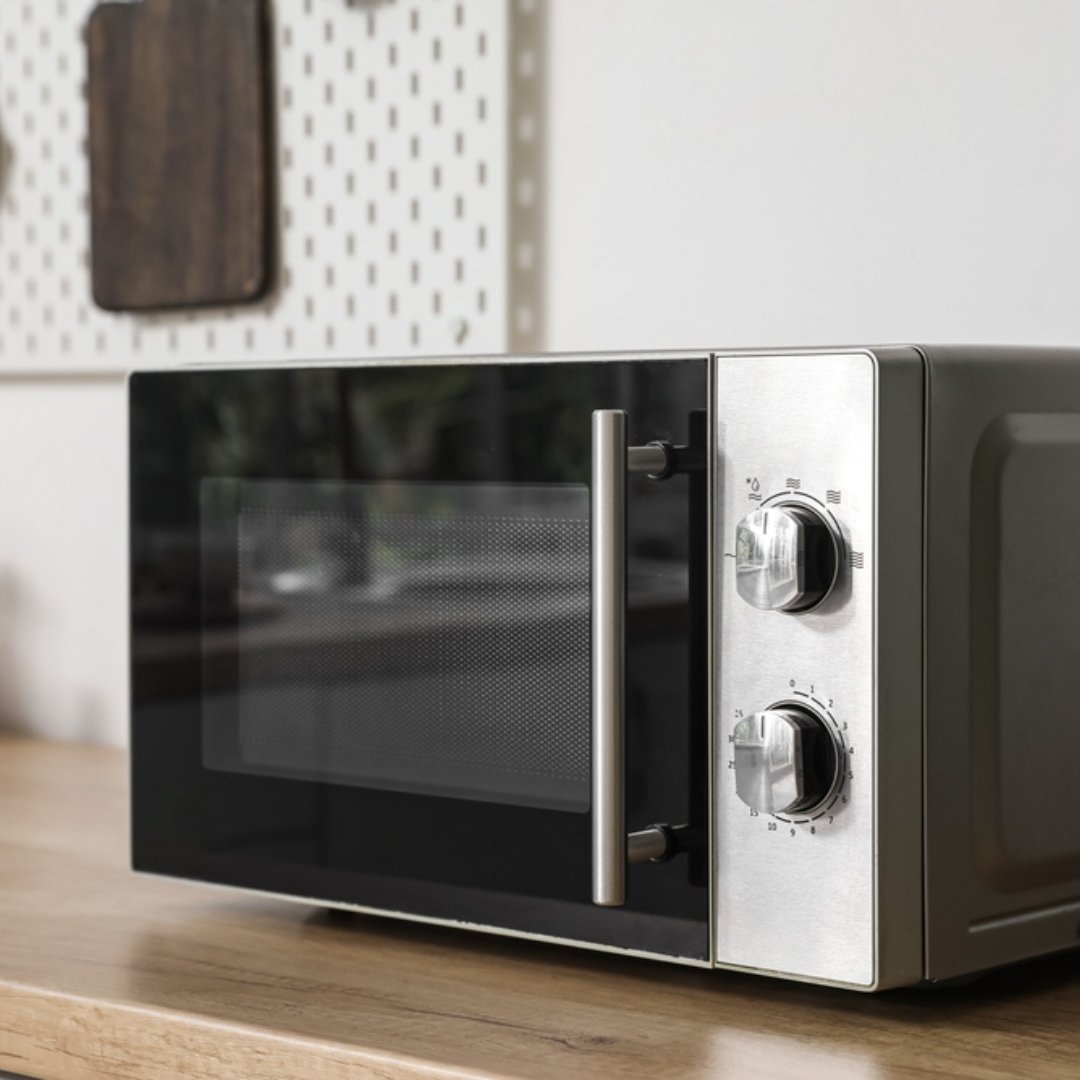
Microwave ovens are a common household appliance, prized for their convenience and speed. However, concerns about radiation leakage and safety standards often arise. In New Zealand, strict regulations ensure that these appliances operate safely and pose no harm to users. Let’s explore how microwave radiation works, what levels are considered safe, and the legal limits set by New Zealand authorities. To Know More Click Here
What is Microwave Radiation?
Microwave ovens use non-ionizing electromagnetic radiation to heat food. This type of radiation excites water molecules within the food, generating heat. Unlike ionizing radiation (such as X-rays), microwave energy does not alter DNA or cause cellular damage when properly contained.
However, if the oven’s door seal, latch, or viewing screen becomes damaged, microwave energy can leak out—posing potential safety risks like burns or tissue heating with prolonged exposure.
Safe Microwave Radiation Levels
Microwave radiation is measured in milliwatts per square centimeter (mW/cm²). In a functioning oven, leakage is typically far below harmful levels.
According to international safety standards, exposure to less than 1 mW/cm² at a distance of 5 cm from the oven surface is considered safe for humans. Most modern microwaves operate well below this threshold when maintained properly.
Legal Limits in New Zealand
In New Zealand, microwave oven safety is governed under the AS/NZS 60335.2.25 standard, which aligns with international guidelines. This regulation sets a maximum permissible leakage limit of 5 mW/cm² at any point 5 cm from the oven’s surface.
Manufacturers must comply with this limit before a product can be sold. Additionally, service technicians conducting safety inspections must ensure that even older ovens remain within this limit to prevent user exposure. To Know More Click Here
How Radiation Testing is Done
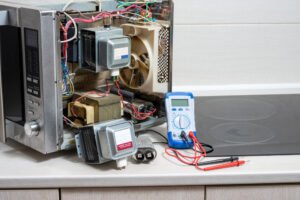
Certified technicians use calibrated microwave leakage meters to measure radiation around the oven’s door seals, vents, and control panels. During testing:
- The oven is operated at full power with a water load inside.
- Measurements are taken at several points around the surface.
- Any reading exceeding 5 mW/cm² indicates non-compliance and requires immediate servicing or disposal.
When to Get Your Microwave Tested
You should consider professional microwave leakage testing if:
- The door seal or hinges are damaged.
- The oven doesn’t stop running when the door opens.
- You notice rust, cracks, or warping around the door frame.
- The microwave is older than five years or used commercially.
Routine testing ensures that your appliance remains safe and compliant with New Zealand’s legal standards.
Safety Tips for Everyday Use
- Never operate the oven when empty.
- Avoid slamming or bending the door.
- Clean the door seals regularly.
- Have it tested annually if used frequently. To Know More Click Here
Conclusion
Microwave ovens are safe and efficient when used correctly and maintained according to safety standards. In New Zealand, strict legal limits ensure that radiation leakage remains far below dangerous levels. Regular testing and proper care are key to ensuring both safety and compliance.
By understanding microwave radiation levels and the laws that regulate them, you can use your appliance confidently and safely for years to come.
SafeTag – Your Safety Partner in New Zealand
Ensure workplace safety and compliance with SafeTag’s professional testing services. We offer certified solutions for Electrical Testing & Tagging, RCD Testing, Microwave Leakage Testing, and Portable Appliance Testing (PAT). Trust our experts for hassle-free, on-site service tailored to your business needs.