Testing Refrigerators & Freezers in Commercial Environments
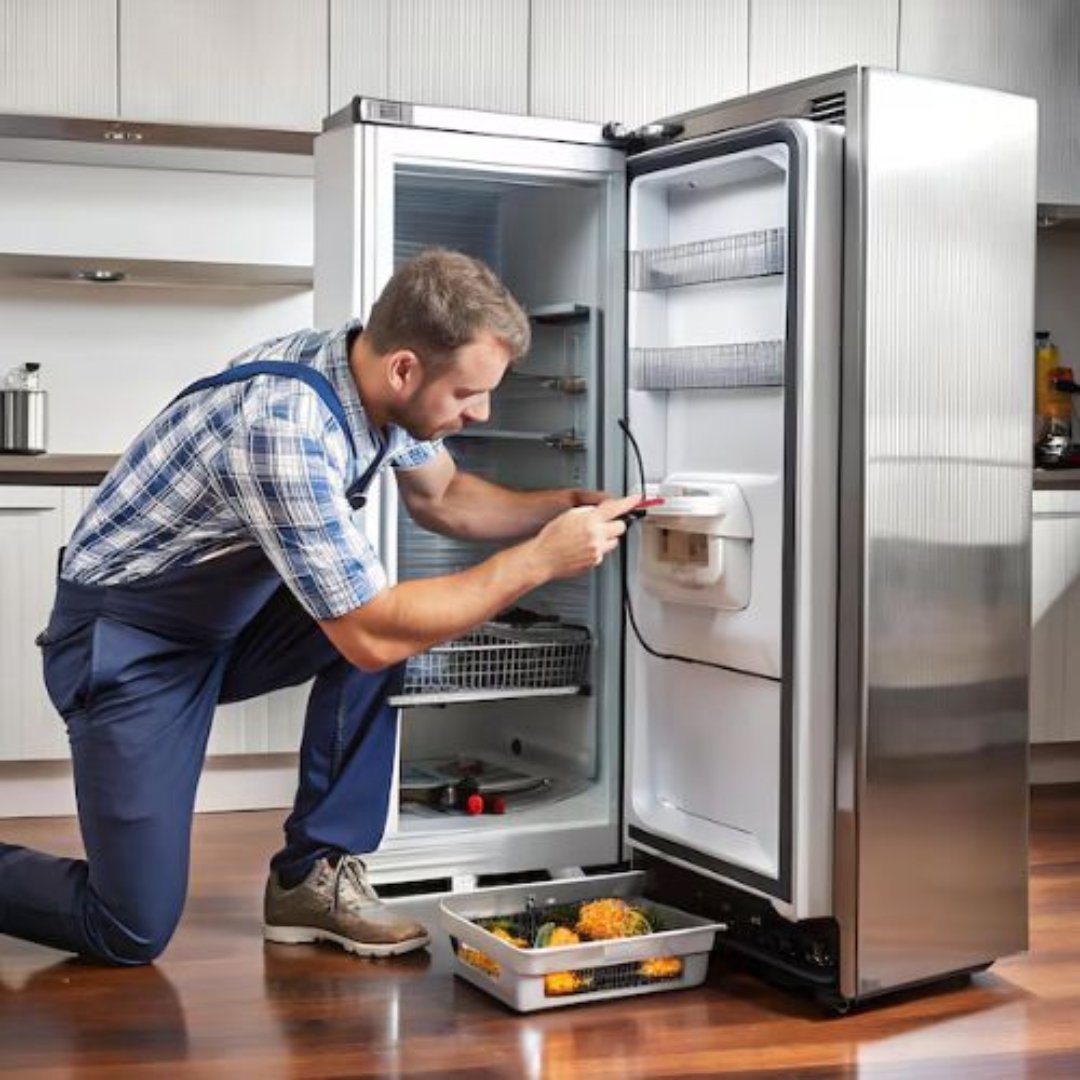
Refrigerators and freezers are essential in commercial environments such as restaurants, supermarkets, cafés, hospitals, and food-processing units. These appliances work continuously to preserve food quality, prevent spoilage, and maintain strict hygiene standards. Because they operate around the clock, even small issues can escalate into major operational losses, safety violations, or food-borne health risks.
Therefore, regular testing becomes crucial for ensuring that commercial refrigeration units remain efficient, maintain correct temperatures, and comply with strict food-safety regulations. This guide explains the key tools and methods used to test refrigerators and freezers in professional settings, allowing businesses to operate safely and smoothly. To Know More Click Here

1. Infrared Thermometer
An infrared (IR) thermometer is one of the most commonly used tools for quick temperature checks. It helps confirm whether refrigerators and freezers are maintaining the correct internal and surface temperatures. Moreover, it allows staff to perform routine temperature checks without interrupting the workflow.
How it Works:
- The device detects thermal radiation and displays the temperature instantly.
- Users point the laser at shelves, walls, or stored items to verify cooling performance.
Advantages:
- Fast, non-contact temperature measurement.
- Ideal for routine checks in busy environments.
- Helps identify uneven cooling zones.
Example:
If a freezer designed to remain at –18°C registers higher readings, it indicates an issue such as poor insulation or compressor malfunction. Consequently, immediate inspection becomes necessary.
2. Data Logging Temperature Sensors
Temperature data loggers are essential for environments requiring continuous monitoring—especially in commercial kitchens, medical storage units, and cold-chain systems. Additionally, they are useful for documenting temperature variations over time.
How it Works:
- A sensor is placed inside the refrigerator or freezer.
- It records temperature at set intervals over hours or days.
- Data can be downloaded for compliance and audit purposes.
Advantages:
- Provides accurate historical temperature records.
- Helps detect fluctuations caused by frequent door openings.
- Ensures compliance with food safety and HACCP standards.
Tip:
Data loggers are particularly valuable during peak business hours when doors are opened frequently, and therefore, temperature stability may be compromised. To Know More Click Here
3. Digital Probe Thermometer
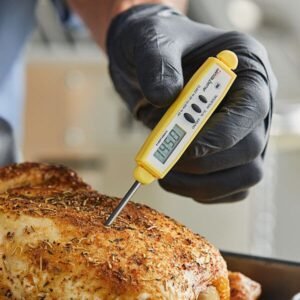
A probe thermometer allows precise measurement of internal food temperatures stored inside refrigerators and freezers. Furthermore, it provides an accurate representation of the food’s actual safety condition.
How it Works:
- The metal probe is inserted into food items or storage liquids.
- The device shows the internal temperature, not just the ambient air.
Advantages:
- Helps verify that food is stored safely.
- Useful during audits and inspections.
- Ensures compliance with cooking and cooling guidelines.
Example:
Cold food items must typically be stored at 5°C or below; therefore, the probe thermometer verifies whether the food itself meets this requirement.
4. Thermography Camera (Advanced Testing)
A thermography or thermal imaging camera is used by professionals for identifying insulation failures and air-leak points in commercial freezers. Additionally, it assists in diagnosing performance inefficiencies early.
How it Works:
- The camera captures temperature images of the refrigerator’s surface.
- Hot or warm spots indicate improper sealing or insulation damage.
Advantages:
- Detects hidden issues like refrigerant leaks or airflow blockages.
- Helps prevent energy loss and equipment overworking.
- Ideal for large commercial freezers or cold rooms.
Tip:
Thermography helps reduce energy bills by spotting areas causing excessive cooling load. Consequently, it supports both safety and cost-saving efforts.
5. Electrical Safety Tester
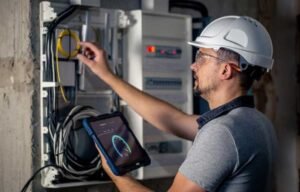
Since refrigerators and freezers run continuously, electrical safety testing is essential to prevent shocks, short circuits, and fire hazards. Moreover, it ensures compliance with workplace safety regulations.
How it Works:
- The tester checks insulation resistance, earth continuity, and leakage current.
- Ensures compliance with commercial electrical-safety standards.
Advantages:
- Prevents electrical hazards in wet or high-humidity environments.
- Ensures equipment is safe for staff handling.
- Identifies internal wiring faults early.
Example:
A high leakage current reading indicates a potential fault that requires immediate maintenance before it becomes dangerous.
6. Refrigerant Leak Detector
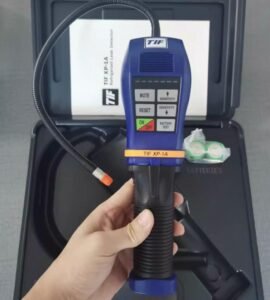
Refrigerant leakage can significantly affect cooling performance while harming the environment. Therefore, regular refrigerant testing is crucial.
How it Works:
- The detector senses the presence of refrigerant gases around coils, joints, and compressor areas.
- Professional models provide digital readings and alerts.
Advantages:
- Helps maintain optimal cooling efficiency.
- Prevents compressor overload and premature failure.
- Ensures compliance with environmental regulations.
Tip:
Regular refrigerant leak testing is mandatory in large commercial refrigeration systems, especially in industries where temperature-sensitive products must remain protected.
7. Tips for Effective Refrigerator & Freezer Testing
Even with high-quality devices, proper testing techniques matter. Therefore, keep these guidelines in mind:
- Always test temperature at multiple points inside the unit.
- Avoid testing immediately after the door is opened—wait for stabilization.
- Inspect door seals, hinges, and gaskets regularly for air-leak points.
- Conduct electrical safety testing at scheduled intervals.
- Keep evaporator and condenser coils clean for optimal performance.
- Record temperature logs daily for compliance and audits.
- If any anomaly is detected, seek professional service promptly. To Know More Click Here
Conclusion
In commercial environments, refrigerators and freezers play a critical role in maintaining product safety and operational efficiency. Consequently, proper testing becomes essential to prevent breakdowns and ensure compliance. From infrared thermometers to advanced thermography cameras, various tools help detect issues early and maintain consistent performance. By testing regularly and using the right tools, you can protect food quality, ensure customer safety, and extend the lifespan of your refrigeration equipment. “Ultimately, consistent testing is a small step that leads to long-term safety, compliance, and reliability in every commercial kitchen or cold-storage facility.“
SafeTag – Your Safety Partner in New Zealand
Ensure workplace safety and compliance with SafeTag’s professional testing services. We offer certified solutions for Electrical Testing & Tagging, RCD Testing, Microwave Leakage Testing, and Portable Appliance Testing (PAT). Trust our experts for hassle-free, on-site service tailored to your business needs.