Tag & Test Schedules: How to Plan Annual Electrical Safety Maintenance
Electrical appliances play a crucial role in every workplace — from computers and extension boards to heavy machinery and power tools. However, with frequent use, every appliance is exposed to wear and tear. Even a small unnoticed fault can turn into a major safety hazard. Electricity is unforgiving — a single current leak can cause fire, shock, or costly downtime.
That’s why annual Tag & Test scheduling is not just a compliance requirement — it is a smart risk-prevention strategy. This blog explains how to plan your yearly electrical safety maintenance using structured Tag & Test schedules. To Know More Click Here
Why Annual Tag & Test Matters
Annual Tag & Test ensures that every electrical appliance is checked for:
- Hidden internal faults
- Earth continuity
- Insulation resistance
- Potential shock or fire risks
In many countries (including New Zealand), regular testing and tagging is a legal requirement in workplaces to protect employees from electrical hazards.
Step 1: Categorise All Electrical Equipment
Start by listing every appliance in your facility.
Group them into categories such as:
- Office computers, printers, chargers
- Portable power tools
- Kitchen appliances (for hospitality)
- Industrial machinery
- Extension cords and RCDs
This makes it easier to determine how often each item must be tested.
Example:
High-risk tools used on construction sites need more frequent testing compared to fixed office computers. To Know More Click Here
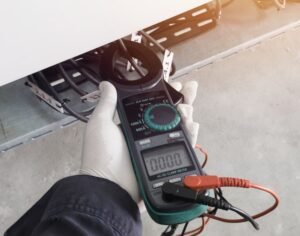
Step 2: Assign Testing Frequency Based on Risk
Different appliances don’t age the same way.
- Portable tools → require more frequent testing
- Fixed equipment → tested annually / twice yearly
- Office IT items → low risk, longer test intervals allowed
Create a risk-based interval plan so every category gets tested at the right time.
Step 3: Split the Tag & Test Work Across the Year
Instead of testing everything in one month, divide the workload into stages across the year.
For example:
- Quarter 1: Office IT equipment
- Quarter 2: Workshop machinery & industrial gear
- Quarter 3: Portable tools, power boards, extension leads
- Quarter 4: Kitchen appliances & shared/common areas
This prevents disruption and spreads maintenance costs evenly.
Step 4: Use a Reliable Tagging Tracking System
Maintain a tagging register to track:
- Last service/test date
- Next due date
- Appliance ID
- Any faults identified during testing
Digital tagging systems (scannable labels / QR tag apps) help ensure nothing gets missed.
Step 5: Work With Qualified Technicians
To ensure accurate results:
- Hire certified Tag & Test professionals
- Use calibrated test equipment
- Keep updated records for audits
Professional testing keeps your workplace legally compliant — and significantly safer. To Know More Click Here

Final Thought
Annual Tag & Test scheduling is not just a routine checklist — it is preventive safety. By organizing your equipment, assigning the right test intervals, and tracking everything systematically, you protect your workers, your business, and your facilities. A planned electrical safety schedule is easier to manage — and much cheaper than dealing with an electrical accident later.
SafeTag – Your Safety Partner in New Zealand
Ensure workplace safety and compliance with SafeTag’s professional testing services. We offer certified solutions for Electrical Testing & Tagging, RCD Testing, Microwave Leakage Testing, and Portable Appliance Testing (PAT). Trust our experts for hassle-free, on-site service tailored to your business needs.