How Regular Testing Helps You Avoid Sudden Equipment Replacement
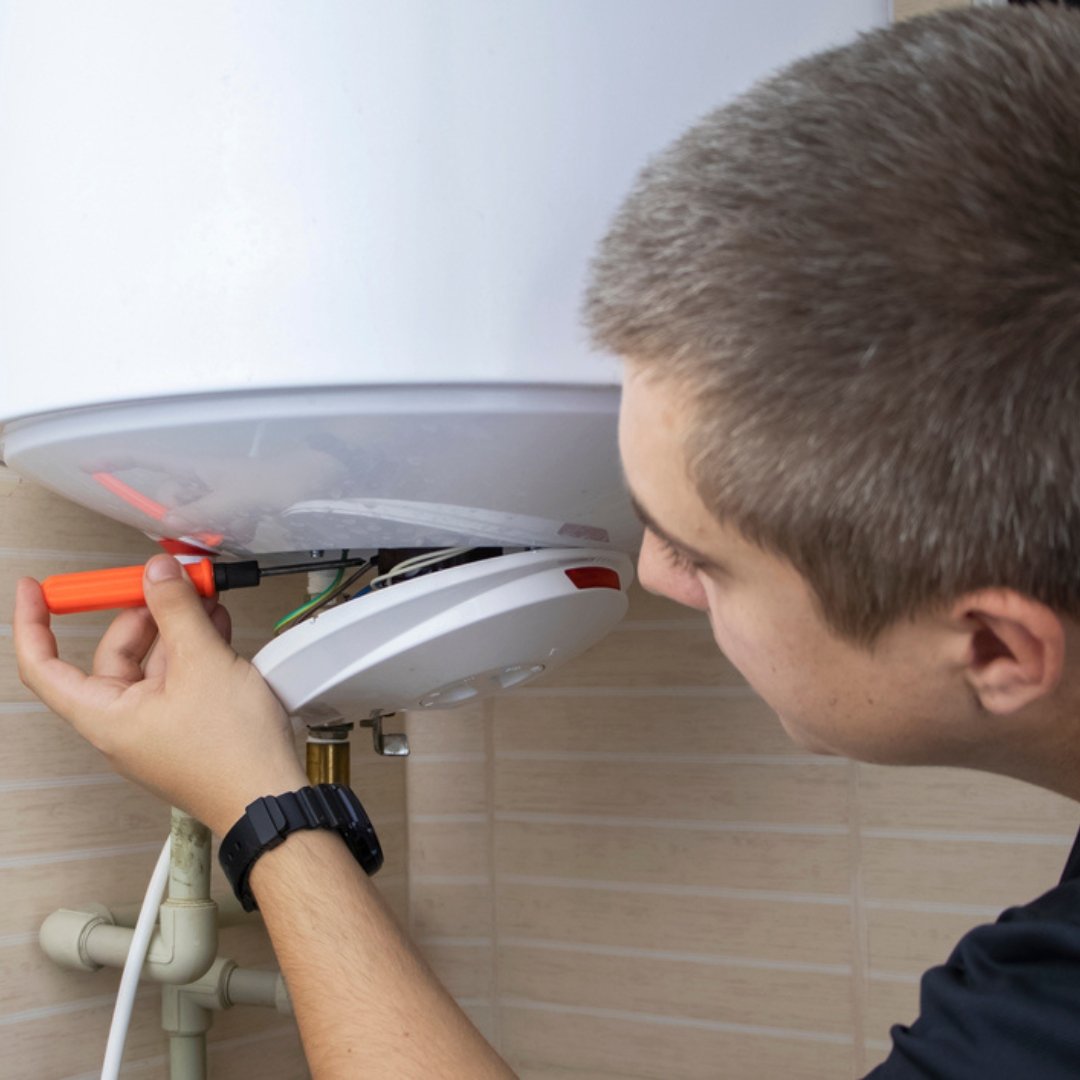
In any workplace—whether it’s an office, workshop, factory, or commercial kitchen—electrical equipment plays a major role in day-to-day operations. These devices help improve productivity, save time, and ensure smooth functioning. However, like all electrical assets, equipment can weaken over time due to wear, dust, heat, moisture, or internal faults. Sudden equipment failure doesn’t just interrupt workflow; it can also lead to expensive emergency replacements. That is why regular electrical testing is essential. It helps detect issues early, ensures safety, and extends the lifespan of every appliance. To Know More Click Here
1. Early Fault Detection
Regular electrical testing identifies hidden issues long before they turn into major breakdowns. Many equipment problems—like loose wiring, insulation damage, overheating, or faulty components—develop gradually. Without testing, these faults remain unnoticed until they suddenly cause equipment failure.
How It Helps:
- Technicians can fix minor faults during routine checks.
- Small repairs are cheaper than full replacements.
- Issues are resolved before they affect performance.
Example:
A loose internal connection in a power tool may not show obvious symptoms, but a routine test can detect abnormal readings and prevent sudden breakdown during use.
2. Improved Equipment Lifespan
Just like vehicles last longer with routine servicing, electrical equipment performs better and lasts longer when tested regularly. Testing ensures each component functions within safe and ideal limits.
How It Helps:
- Prevents long-term wear caused by unnoticed faults.
- Ensures the equipment operates efficiently.
- Reduces the need for frequent purchases of new appliances.
Tip:
Equipment that faces heavy daily use, such as in workshops or commercial kitchens, benefits the most from scheduled testing. To Know More Click Here

3. Reduced Downtime and Operational Interruptions
Unexpected equipment failure can disrupt work, delay projects, and reduce productivity. In workplaces with deadlines, this can lead to serious operational losses.
How Testing Prevents This:
- Tests catch performance drops early.
- Businesses can plan repairs during non-working hours.
- Sudden breakdowns become rare because faults don’t get the chance to escalate.
Example:
A server’s cooling fan showing early signs of overheating can be fixed immediately, avoiding complete system shutdown later.
4. Cost Savings on Repairs and Replacements
Replacing equipment suddenly is expensive—not just the cost of the device, but also the emergency repair charges and downtime. Regular testing eliminates this financial stress.
How It Saves Money:
- Preventive fixes are significantly cheaper than emergency replacements.
- Well-maintained equipment consumes less energy.
- Businesses can plan budget-friendly upgrades instead of urgent purchases.
Tip:
Keep a testing schedule (quarterly, bi-annual, or annual depending on usage) to prevent bills from piling up unexpectedly.

5. Enhanced Workplace Safety
Malfunctioning equipment is a safety risk. Electrical faults can cause shocks, burns, equipment fires, or electrical hazards that endanger staff.
Regular Testing Ensures:
- Cables, plugs, and internal connections remain in safe condition.
- Hazardous faults are identified before they hurt someone.
- Safety compliance is maintained, especially in workplaces where inspections are mandatory.
Example:
Finding a damaged power cord during testing can prevent a workplace fire or electric shock incident.
6. Compliance With Safety Standards
In countries like New Zealand, regular testing and tagging of electrical equipment is not just recommended—it is legally required for many industries. A structured testing routine ensures that businesses stay compliant and avoid penalties.
Benefits:
- Peace of mind during safety audits.
- Proper documentation for insurance claims.
- Compliance with workplace safety regulations.
Tip:
Maintaining proper test records helps during inspections and ensures transparency. To Know More Click Here

Conclusion
Sudden equipment replacement doesn’t happen without warning—it happens because warnings go unnoticed. Regular electrical testing ensures that every device remains safe, reliable, and efficient. It reveals early signs of faults, reduces expenses, increases equipment lifespan, and prevents unexpected disruptions. By making testing a routine part of your workplace maintenance plan, you safeguard your assets, protect your staff, and avoid costly last-minute replacements. “A small test today can prevent a big breakdown tomorrow.“
SafeTag – Your Safety Partner in New Zealand
Ensure workplace safety and compliance with SafeTag’s professional testing services. We offer certified solutions for Electrical Testing & Tagging, RCD Testing, Microwave Leakage Testing, and Portable Appliance Testing (PAT). Trust our experts for hassle-free, on-site service tailored to your business needs.