How Electrical Tagging Avoids Workplace Shutdowns and Downtime
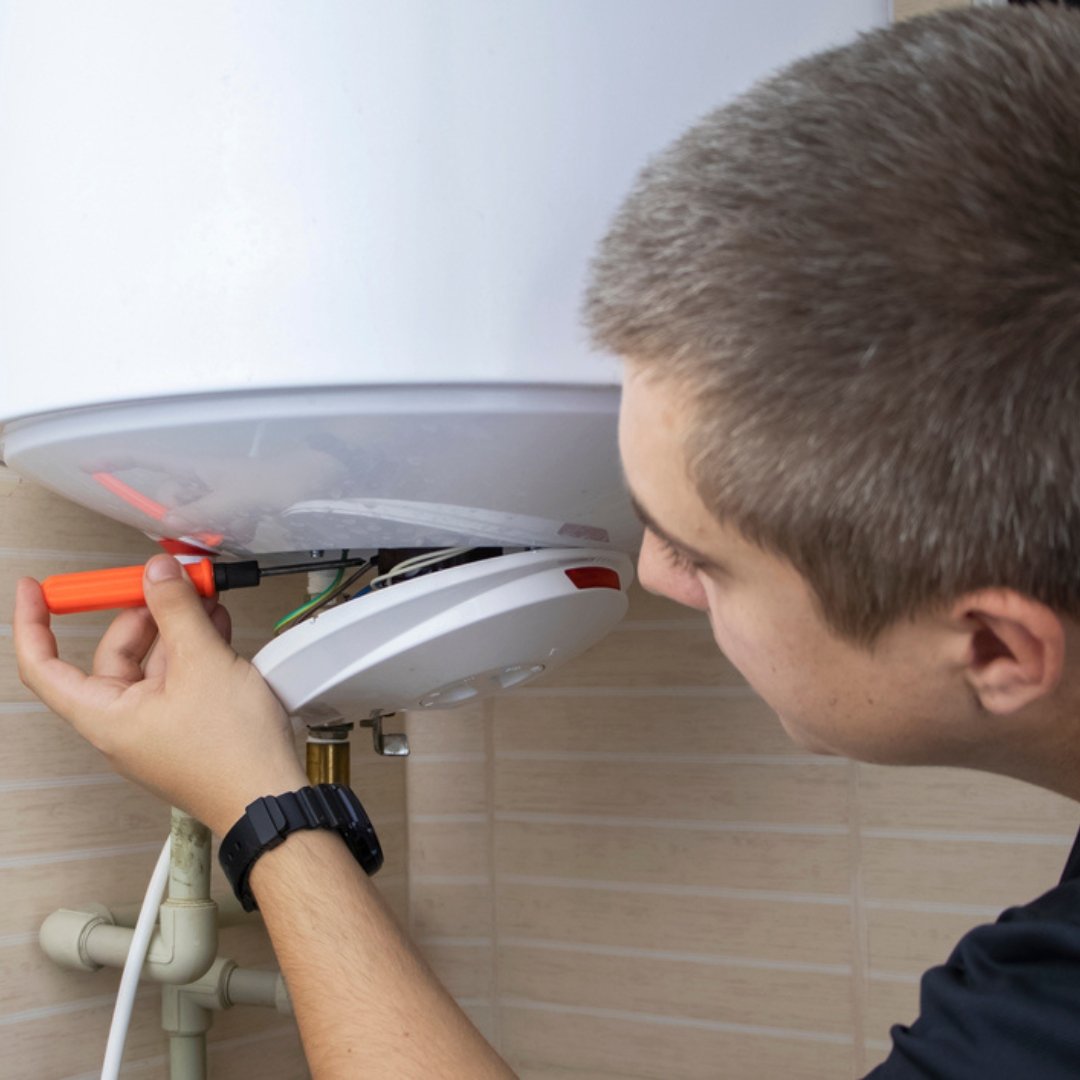
Electrical equipment is the backbone of every workplace — from small computers in offices to heavy-duty machines in industrial plants. If even one major device fails unexpectedly, it can interrupt workflow, pause production, delay deliveries and affect customer commitments. In some industries, even 20 minutes of breakdown can result in thousands of dollars in loss.
Electrical tagging is one of the simplest and most powerful preventive methods used to keep this from happening. It is not just for compliance or record keeping — it is a proactive protection strategy that avoids downtime before it begins. To Know More Click Here
What Exactly is Electrical Tagging?
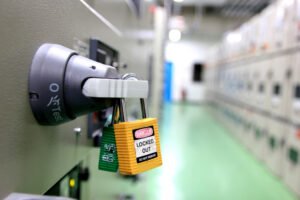
Electrical tagging is a process where all workplace electrical appliances, power tools and machinery are inspected, tested, certified and labeled by qualified technicians. Each piece of equipment receives a tag indicating:
- the date it was tested
- the condition of the equipment
- the next due date for re-testing
- whether it is safe to use right now
This means employees can instantly know whether a tool is safe — simply by looking at the tag.
Why Tagging Saves Workplace Operational Time
1. Early Fault Detection Prevents Surprises
Most electrical failures do not happen suddenly. They start with tiny internal issues — overloaded cables, damaged insulation, weak earth protection, overheating plugs etc. Tagging detects these issues before they develop into major breakdowns. Early detection = zero interruption during work hours.
2. Stops Accidents That Cause Shutdowns
An accident like an electric shock or a small electrical fire forces immediate shutdown and investigation. This leads to more down time than the repair itself. Tagging removes risky equipment from use early — preventing dangerous incidents that could stop the entire workplace. To Know More Click Here

3. Predictable Maintenance Instead of Emergency Repairs
When tagging data is properly tracked, businesses can plan maintenance during weekends, off-hours or non-peak time slots. This helps control equipment servicing in a structured way without affecting daily workflow.
4. Protects From Legal Trouble and Insurance Rejection
Workplace safety regulations in many countries (including New Zealand) require periodic testing and tagging for electrical equipment. If an accident occurs and no tagging records are available, insurance claims may be rejected — which creates financial shutdown in another form. Tagging avoids such legal risks.
5. Reduces Machine Replacement Cost
Regular testing keeps machines healthy, reduces stress on wires, protects motors and extends usable life. Longer equipment life means fewer sudden failures and fewer last-minute purchases.
Practical Example
Imagine a commercial workshop with 50 powered tools running daily. If even one major tool fails unexpectedly during peak work hours, the workflow of multiple workers gets stuck. But tagging can identify which tool is weakening before it breaks. The maintenance team can repair or replace it after hours — zero disturbance, no lost time. To Know More Click Here

Conclusion
Electrical tagging is much more than a safety tag on a cord. It is a strategic business tool that ensures uninterrupted workflow. When workplaces adopt regular testing and tagging, they reduce sudden failures, minimize risk, improve compliance, and avoid unnecessary operational pauses.
In simple words – Tagging protects your productivity. It transforms unexpected breakdowns into planned maintenance — and prevents small electrical faults from turning into costly shutdowns.
SafeTag – Your Safety Partner in New Zealand
Ensure workplace safety and compliance with SafeTag’s professional testing services. We offer certified solutions for Electrical Testing & Tagging, RCD Testing, Microwave Leakage Testing, and Portable Appliance Testing (PAT). Trust our experts for hassle-free, on-site service tailored to your business needs.