The Safety Differences Between Domestic and Commercial Microwaves
Microwave ovens have become essential appliances in homes, restaurants, cafés, and commercial kitchens. Whether reheating leftovers or preparing large quantities of food quickly, microwaves help save time and maintain efficiency. However, domestic and commercial microwaves are not built the same. Their differences extend beyond size and power—they also vary significantly in safety design, usage standards, and operating features.
Understanding these safety differences is crucial for ensuring proper operation, preventing accidents, and protecting users from potential hazards. This guide explores the major safety distinctions between domestic and commercial microwaves and explains why choosing the right type is important. To Know More Click Here
1. Build Quality and Safety Construction
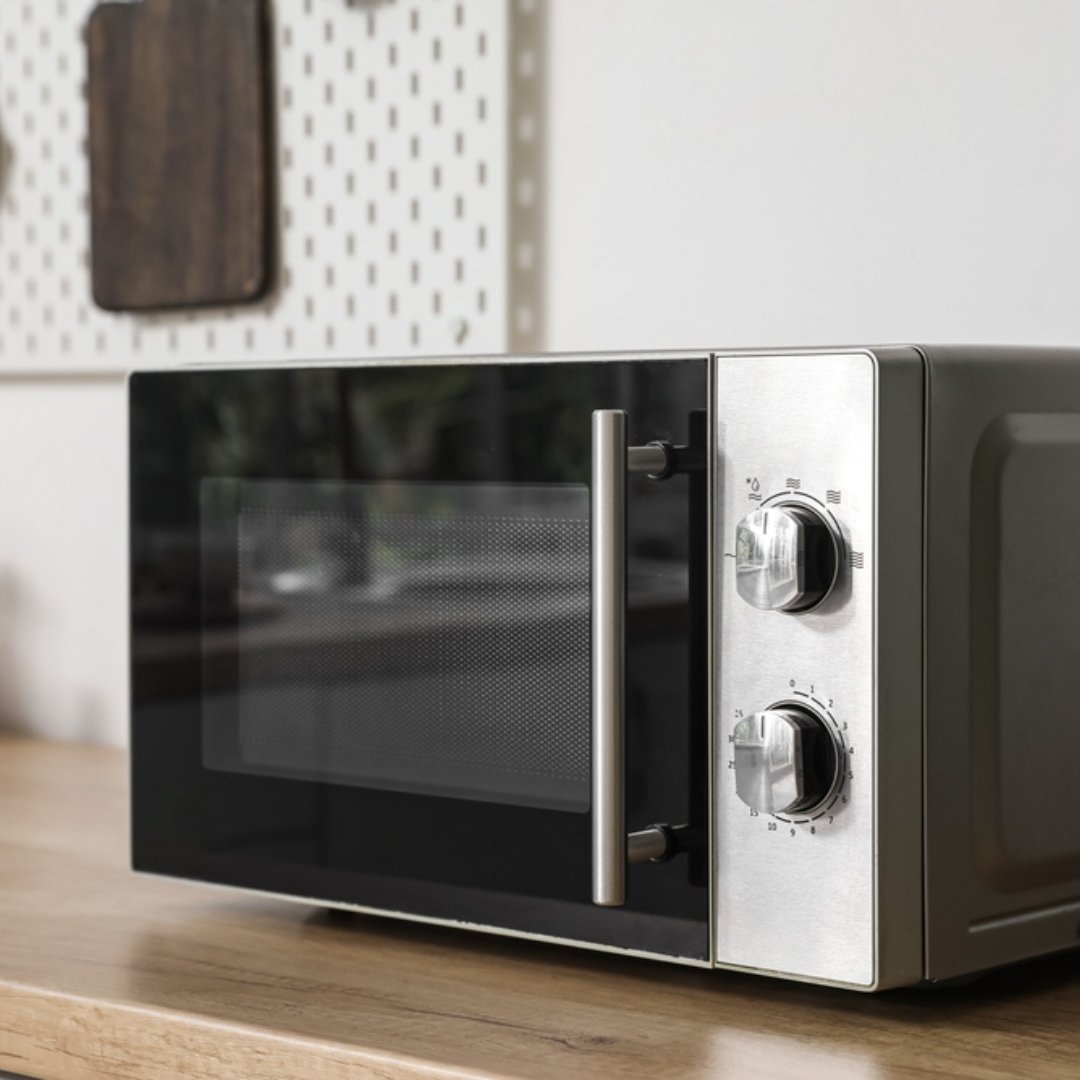
Domestic Microwaves: Home-use microwaves are designed for light to moderate usage. Their internal parts, hinges, and door seals are built for convenience rather than heavy-duty performance.
Safety Features Include:
- Basic door interlock mechanisms
- Standard-grade materials
- Limited cooling systems
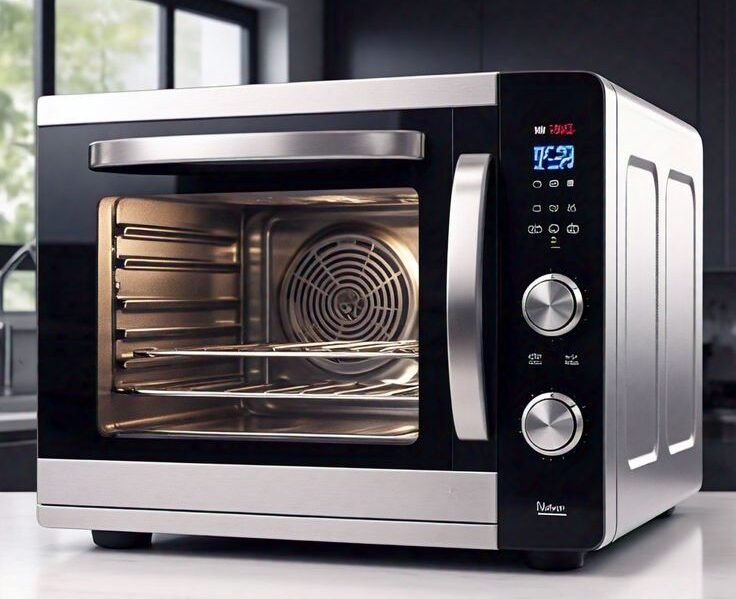
Commercial Microwaves: Commercial models are constructed to withstand intense and continuous use in restaurants and industrial kitchens.
Safety Enhancements Include:
- Reinforced door seals and heavy-duty hinges
- More reliable interlock systems
- Advanced cooling and ventilation
- Stainless steel interiors for better hygiene and heat resistance
Because commercial microwaves handle higher frequencies of operation, their safety components are more robust and durable.
2. Power Output and Radiation Control
- Domestic Microwaves: Typically range from 600W to 1200W, suitable for routine home tasks.
- Commercial Microwaves: Designed for fast-paced environments, these units often operate at 1800W to 3000W or more, delivering faster heating and uniform cooking.
- Why This Matters for Safety: Higher power means stricter radiation control. Commercial microwaves undergo more rigorous testing to prevent leakage under heavy usage. Their shielding components, such as metal mesh and door gaskets, are engineered for intense workloads.
If a domestic microwave is used heavily-like in a small cafe-it may develop wear faster, increasing the risk of radiation leakage. To Know More Click Here

3. Door Interlock Systems
One of the most important safety mechanisms in any microwave is the door interlock system.
Domestic Microwaves:
- Usually contain two interlocks that stop the microwave when the door opens.
- Adequate for regular home use, but can wear out faster due to repeated slamming or improper use.
Commercial Microwaves:
- Commonly equipped with three or more interlocks, ensuring the oven shuts off instantly when the door is opened.
- Built for hundreds of open-close cycles daily.
Safety Benefit: More interlocks mean higher protection against accidental microwave radiation exposure.
4. Ventilation and Overheating Protection
Domestic Microwaves:
Have smaller cooling fans and basic ventilation systems adequate for occasional usage.
Commercial Microwaves:
Feature enhanced ventilation, heat-resistant components, and sophisticated cooling systems to prevent overheating during back-to-back cycles.
Why It Matters:
Poor ventilation can lead to internal damage, electrical faults, or increased radiation leakage. Commercial kitchens depend on machines that can run continuously without compromising safety.
5. User Handling, Controls, and Safety Training
Domestic Microwaves:
Used by family members of all ages. Buttons and settings are simple and designed for intuitive use.
Potential Safety Risks:
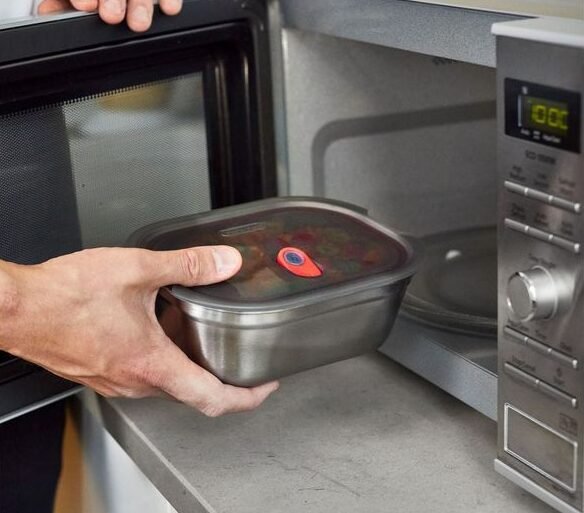
- Overheating food
- Using metal containers accidentally
- Poor cleaning leading to fire hazards
Commercial Microwaves:
Typically used by trained staff who understand safety protocols. Controls may include:
- Pre-programmed heating settings
- Touchpad or dial systems
- Timers designed for repetitive food-prep tasks
Commercial environments are also required to follow health and safety standards, including regular microwave leakage testing.
6. Maintenance and Testing Requirements
Domestic Microwaves:
Maintenance usually includes cleaning, checking door seals, and occasional servicing. Leakage testing is rarely done at home unless a fault is suspected.
Commercial Microwaves:
Must undergo regular inspections, including:
- Microwave leakage testing
- Interlock system checks
- Electrical safety testing (Test & Tag)
- Internal component inspections
These are mandatory in many regions to comply with workplace safety regulations.
7. Usage Environment and Safety Hazards
Domestic Use:
Safer due to low frequency of operation. Risk factors usually involve:
- Food spills
- Damaged turntables
- Door gasket wear over time
Commercial Use:
Higher risk because:
- Microwaves run continuously
- Multiple staff members operate them
- Heavy trays and metal utensils increase misuse potential
This is why commercial models must be built with stricter safety controls and durability. To Know More Click Here
Conclusion
Both domestic and commercial microwaves play important roles, but their safety requirements differ significantly. Domestic microwaves are ideal for everyday household tasks, while commercial microwaves must withstand intense usage and meet higher safety standards.
Understanding these differences helps prevent accidents, ensures proper operation, and promotes long-term appliance safety. Whether you’re using a microwave at home or in a busy commercial kitchen, choosing the right type—and maintaining it properly—is essential. “Safe operation starts with the right appliance, correct usage, and regular safety checks.”
SafeTag – Your Safety Partner in New Zealand
Ensure workplace safety and compliance with SafeTag’s professional testing services. We offer certified solutions for Electrical Testing & Tagging, RCD Testing, Microwave Leakage Testing, and Portable Appliance Testing (PAT). Trust our experts for hassle-free, on-site service tailored to your business needs.