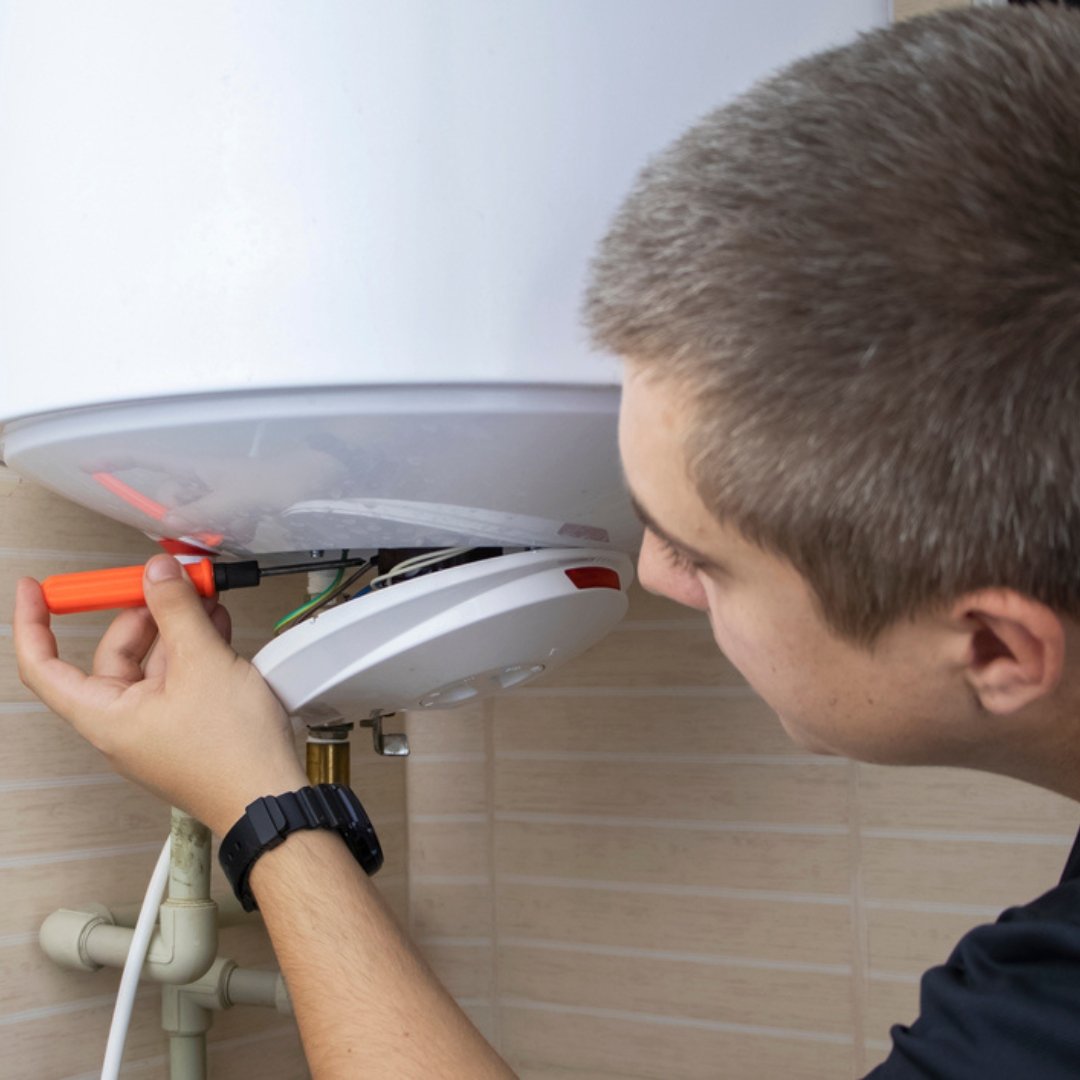
Electrical Safety for Small Businesses: Essential Testing Tips
Electrical safety is one of the most important responsibilities for any small business. Whether you run a retail shop, cafe, office, or workshop, your electrical systems and appliances play a crucial role in everyday operations. However, unnoticed faults, damaged wiring, and untested appliances can pose serious threats—ranging from equipment failure to life-threatening electrical accidents.
To keep your workplace safe and compliant, regular electrical testing is essential. This guide covers the most important electrical safety testing tips that every small business should follow. To Know More Click Here
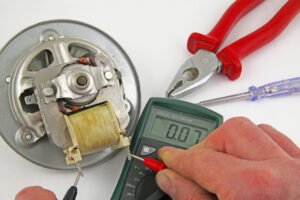
1. Conduct Regular Portable Appliance Testing (PAT)
Portable appliances such as computers, kettles, power tools, printers, and extension leads are used daily in small businesses. Over time, these devices can suffer wear and tear, increasing the risk of electric shock or fire.
How PAT Works:
- A technician checks each appliance visually for damaged plugs, frayed cables, or exposed wires.
- Electrical tests are then performed using a PAT machine to verify insulation quality, earth continuity, and overall safety.
- Appliances receive a pass/fail sticker indicating test results and the next due date.
Advantages:
- Ensures all portable devices are safe to use.
- Reduces fire risks from faulty appliances.
- Helps meet workplace safety regulations.
Tip: Schedule PAT testing annually or sooner if appliances are used heavily.
2. Inspect Electrical Cords, Plugs & Extension Leads
Small businesses often rely on multiple extension cords and plug banks. These are convenient, but they can easily become damaged or overloaded.
What to Check:
- Cracked or loose plugs
- Burn marks or unusual smells
- Twisted or frayed cables
- Overloaded extension leads connected to high-wattage appliances
Advantages:
- Prevents short circuits.
- Eliminates fire hazards caused by overheated cables.
- Ensures power distribution is safe and efficient.
Example: A damaged extension lead in a retail shop can spark and ignite nearby flammable materials—regular inspections avoid such accidents. To Know More Click Here
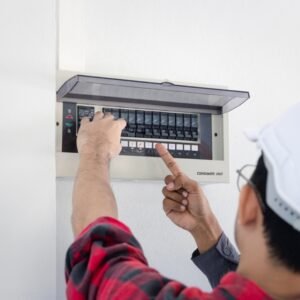
3. Perform RCD (Residual Current Device) Testing
RCDs are life-saving devices installed in switchboards. They cut off electricity immediately when they detect a leakage current, preventing severe electric shock.
How RCD Testing Works:
- Technicians use RCD testers to simulate fault conditions.
- The device must trip instantly to pass the test.
- Results are recorded to verify workplace safety compliance.
Advantages:
- Protects employees from electric shocks.
- Prevents fires caused by current faults.
- Ensures your electrical system reacts instantly in emergencies.
Tip: Test RCDs every six months to ensure optimal performance.
4. Schedule Regular Switchboard & Wiring Inspections
Your switchboard is the heart of your electrical system. Faults here can cause major disruptions—even small wiring issues can trigger power failures or fires.
What Inspections Include:
- Checking wiring insulation
- Identifying loose or overheated connections
- Verifying circuit breaker performance
- Ensuring the switchboard can handle your power load
Advantages:
- Helps detect hidden faults before they turn dangerous.
- Reduces downtime caused by unexpected electrical failures.
- Extends the lifespan of your electrical infrastructure.
Tip: Businesses should arrange professional inspections at least once every two years.
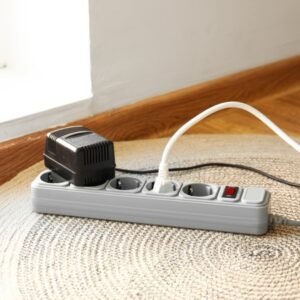
5. Use High-Quality Surge Protectors
Modern small businesses depend on computers, POS systems, routers, and digital equipment. Power spikes can instantly damage these sensitive electronics.
Benefits of Surge Protectors:
- Safeguards your equipment from sudden voltage spikes.
- Reduces repair and replacement costs.
- Enhances the lifespan of electronic devices.
Tip: Choose surge protectors with built-in overload protection for added safety.
6. Keep the Workplace Free from Electrical Obstructions
Cluttered workplaces increase the risk of accidental electrical damage.
Checklist:
- Avoid placing heavy objects on power cables.
- Keep water sources away from electrical outlets.
- Ensure ventilation around power boards and equipment.
- Train staff on safe use of electrical devices.
Advantages:
- Reduces tripping and fire hazards.
- Helps employees operate equipment safely.
- Maintains a clean and hazard-free work environment.
7. Maintain Safety Logs and Testing Records
Small businesses often overlook documentation, but maintaining accurate electrical safety records is crucial.
Why It Matters:
- Provides proof of compliance with workplace safety regulations.
- Helps track test dates and upcoming inspections.
- Makes insurance claims smoother in case of incidents.
Tip: Use digital records to stay organized and set automated reminders. To Know More Click Here

Conclusion
Electrical safety is not just a legal requirement—it’s a responsibility that protects your staff, customers, and business assets. By conducting regular testing, maintaining appliances, and following these essential safety tips, small businesses can significantly reduce the risk of electrical accidents. Safety is not expensive—it’s priceless. A few simple checks today can prevent costly incidents tomorrow. Regular electrical testing ensures your business runs smoothly, safely, and with complete peace of mind.
SafeTag – Your Safety Partner in New Zealand
Ensure workplace safety and compliance with SafeTag’s professional testing services. We offer certified solutions for Electrical Testing & Tagging, RCD Testing, Microwave Leakage Testing, and Portable Appliance Testing (PAT). Trust our experts for hassle-free, on-site service tailored to your business needs.