Portable Appliance Testing: What Business Owners Often Overlook
In every modern workplace, electrical equipment powers productivity — from computers and printers to power tools and kitchen appliances. While these devices make work easier, they also pose a hidden risk if not maintained properly. Portable Appliance Testing (PAT) is a crucial safety measure that ensures electrical devices are safe to use. Yet, many business owners either delay or underestimate this essential process.
This article highlights what’s often overlooked in PAT testing and how small lapses can lead to significant safety and legal consequences. To Know More Click Here
1. Overlooking the Testing Frequency
One of the most common mistakes is assuming that PAT testing is a one-time activity. In reality, the frequency of testing depends on the environment and equipment type.
- Office computers and monitors may need annual testing.
- Construction tools and portable devices might require checks every three months.
- High-risk environments like workshops or kitchens need even more frequent inspections.
Failing to test regularly means potential faults can go unnoticed — increasing the risk of electric shock, short circuits, or even fires.
2. Ignoring Low-Risk or Small Devices
Many businesses focus only on large or visibly powerful appliances while ignoring smaller items like phone chargers, extension leads, or desk fans. However, these smaller devices are often used daily and experience wear and tear that can lead to insulation damage or overheating.
Every portable appliance that plugs into the mains should be part of your testing schedule — no matter how small it seems. To Know More Click Here
3. Relying Solely on Visual Inspections
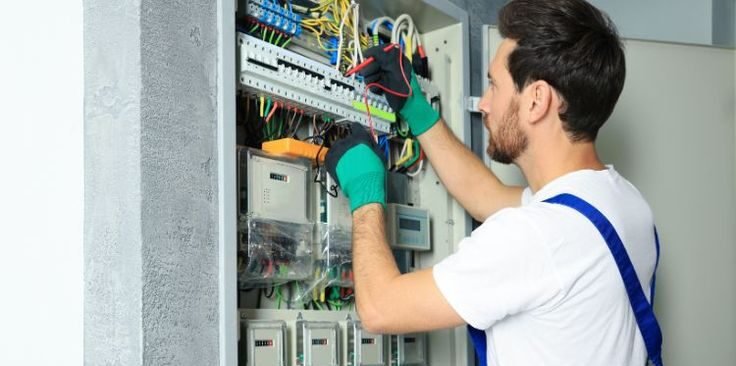
While a quick look at cables and plugs might reveal visible damage, not all faults are visible. Internal wiring issues, loose connections, or damaged insulation can go undetected without proper testing equipment.
A qualified PAT tester uses specialized devices to measure insulation resistance, earth continuity, and leakage current — ensuring a more reliable safety check than visual inspection alone.
4. Using Unqualified Personnel
Some business owners delegate PAT testing to in-house maintenance staff without proper training. While enthusiasm is great, PAT testing requires technical knowledge and certified equipment to ensure accuracy and compliance.
Hiring certified PAT professionals ensures tests are carried out correctly, records are properly maintained, and compliance with AS/NZS 3760:2022 standards (in New Zealand and Australia) is achieved.
5. Forgetting to Record and Label Results
PAT testing is not just about safety — it’s also about documentation and accountability. Each tested appliance should be clearly labeled with the test date, result, and retest due date.
Neglecting record-keeping can create problems during audits or insurance claims. A proper log helps track maintenance schedules and demonstrates your commitment to workplace safety compliance.
6. Not Testing After Repairs or Relocation
Whenever a piece of equipment is repaired or moved to a new location, its electrical integrity might be compromised. A previously safe appliance can develop loose connections or grounding issues during transport.
Re-testing repaired or relocated appliances ensures ongoing safety and prevents accidental exposure to electrical hazards.
7. Overlooking Employee Awareness
Even with regular testing, accidents can happen if employees don’t recognize warning signs such as burning smells, frayed cords, or sparks. Training your staff to spot and report issues early adds an extra layer of protection. Encouraging a safety-first culture ensures that testing isn’t just a compliance task but a shared responsibility. To Know More Click Here

Conclusion
Portable Appliance Testing is more than just a compliance checklist — it’s a preventive safety measure that protects lives, property, and your business reputation. Overlooking testing frequency, ignoring small devices, or skipping proper documentation can lead to severe consequences, both financially and legally.
By scheduling regular PAT tests, hiring certified professionals, and maintaining proper records, business owners can ensure their workplaces remain safe, compliant, and efficient. Electrical safety isn’t just about avoiding fines – it’s about protecting people. Regular PAT testing keeps your business powered safely and confidently.
SafeTag – Your Safety Partner in New Zealand
Ensure workplace safety and compliance with SafeTag’s professional testing services. We offer certified solutions for Electrical Testing & Tagging, RCD Testing, Microwave Leakage Testing, and Portable Appliance Testing (PAT). Trust our experts for hassle-free, on-site service tailored to your business needs.