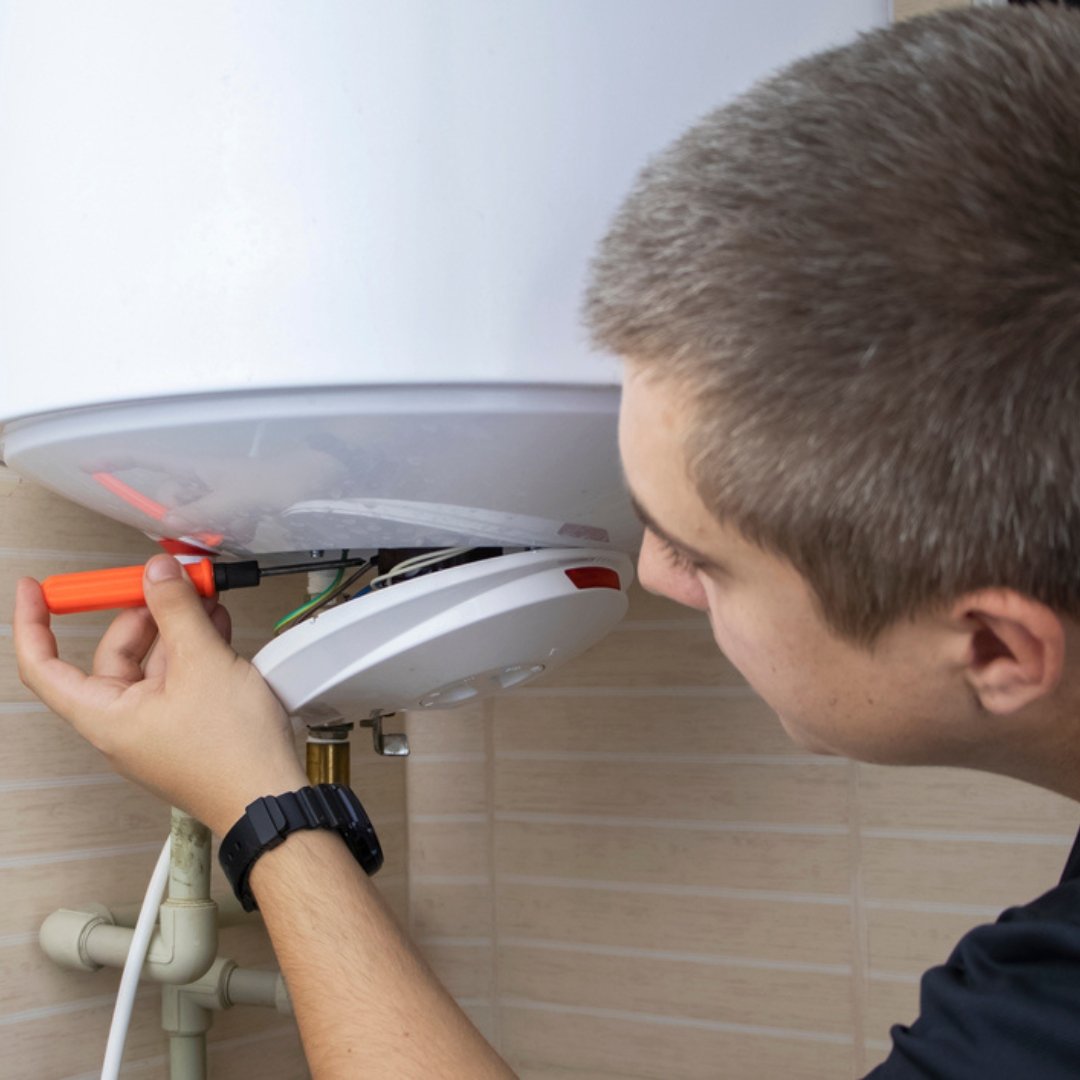
Types of Electrical Tests: Continuity, Insulation Resistance, Earth Leakage, and RCD Testing
Electrical systems power our homes, businesses, and industries. However, they also carry inherent risks—shock, fire, and equipment damage—if not properly maintained. That’s why electrical testing is essential. It ensures circuits and components are safe, compliant with standards, and capable of performing reliably under load.
Among the many types of tests available, four stand out as fundamental: Continuity Testing, Insulation Resistance Testing, Earth Leakage Testing, and RCD Testing. Each serves a unique role in verifying electrical safety and performance. Let’s explore them in detail. To Know More Click Here
1. Continuity Testing
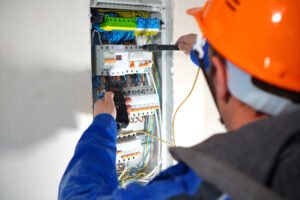
Continuity testing verifies whether an electrical circuit or conductor is complete and uninterrupted.
- Why it’s important:
- Even a small break in wiring can cause malfunction or complete equipment failure.
- Poor connections may overheat, leading to fire hazards.
- It ensures protective devices like fuses and circuit breakers are connected properly.
- How it’s done:
- A continuity tester or digital multimeter is used to send a low current through the conductor.
- If the circuit is complete, the device will show a reading (or emit a beep).
- If not, it indicates an open circuit.
- Example:
Imagine wiring a new lighting circuit. Before energizing, continuity testing confirms that the live, neutral, and earth conductors are connected correctly from the switch to the lamp and back to the supply. - Benefits:
- Quickly identifies open circuits, broken wires, or loose joints.
- Ensures safety before powering up new installations.
- Saves time and prevents equipment damage.
2. Insulation Resistance Testing
Insulation resistance testing evaluates the condition of the insulating material surrounding conductors and electrical components.
- Why it’s important:
- Insulation prevents current from leaking into unintended paths, protecting both people and equipment.
- Over time, insulation can degrade due to heat, moisture, dust, or mechanical stress.
- Low insulation resistance may cause leakage currents, short circuits, or even fires.
- How it’s done:
- A specialized device called a megger (insulation resistance tester) applies a high DC voltage (typically 250V, 500V, or 1000V) between conductors and earth.
- The resistance is measured in megaohms (MΩ). Higher values indicate better insulation.
- Example:
During routine maintenance in an office building, insulation resistance testing may reveal that old cables have degraded due to moisture absorption. Detecting this early allows replacement before a fault occurs. - Benefits:
- Detects deteriorating insulation before it causes failures.
- Enhances system reliability and extends equipment life.
- Ensures compliance with safety regulations such as IEC 60364 or local standards. To Know More Click Here
3. Earth Leakage Testing
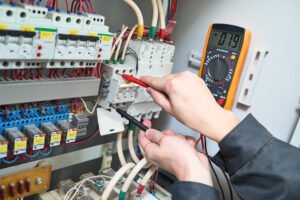
Earth leakage testing measures unwanted current flowing from a circuit to earth.
- Why it’s important:
- Leakage current, even in milliamps, can cause serious shocks or fire hazards.
- It often indicates insulation failure or faulty appliances.
- Continuous leakage increases energy waste and damages sensitive equipment.
- How it’s done:
- An earth leakage tester or clamp meter measures leakage current in a live circuit.
- The test checks if leakage levels are within acceptable safety limits (usually below 30mA for domestic systems).
- Example:
A refrigerator in a home may appear to be working fine, but earth leakage testing can reveal small leakage currents from its motor windings. Without this test, the user could risk an electric shock. - Benefits:
- Identifies hidden faults in appliances and circuits.
- Prevents shocks, equipment failure, and fire hazards.
- Provides assurance that leakage currents are within safe levels. To Know More Click Here
4. RCD Testing
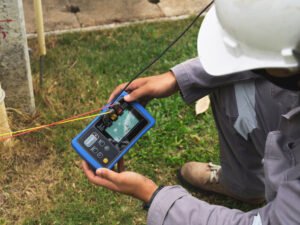
Residual Current Devices (RCDs) are life-saving safety switches designed to trip when they detect leakage or imbalance in current flow.
- Why it’s important:
- RCDs protect people from electrocution by cutting off power within milliseconds.
- Simply having an RCD installed is not enough—it must be tested regularly to ensure correct operation.
- How it’s done:
- An RCD tester simulates a fault by introducing leakage current in controlled steps.
- The device checks whether the RCD trips at the correct current rating (typically 30mA for domestic use) and within the required time (usually under 300ms).
- Example:
In a workshop, an RCD may fail to trip during a fault if its mechanism is jammed by dust. Regular RCD testing ensures such problems are caught early. - Benefits:
- Guarantees personal protection against electrocution.
- Confirms compliance with safety regulations.
- Ensures fast fault detection and system shutdown.
Why These Tests Are Essential
- Compliance: Electrical standards and regulations (such as IEC, BS 7671, or IS standards) mandate regular testing to certify installations.
- Safety: Prevents electric shocks, burns, and fire hazards.
- Reliability: Detects potential faults before they escalate into costly downtime or damage.
- Peace of Mind: Homeowners, facility managers, and business owners can be confident their systems are safe and functional. To Know More Click Here
Final Thoughts
Electrical testing is more than just a box to tick—it is a critical safeguard for lives and property. Continuity testing ensures proper connections, insulation resistance testing checks the health of cable insulation, earth leakage testing detects hidden currents, and RCD testing validates life-saving protection devices. Regular testing by qualified electricians ensures compliance, reduces risks, and enhances system performance. Investing in these tests means investing in safety, reliability, and long-term peace of mind.
SafeTag – Your Safety Partner in New Zealand
Ensure workplace safety and compliance with SafeTag’s professional testing services. We offer certified solutions for Electrical Testing & Tagging, RCD Testing, Microwave Leakage Testing, and Portable Appliance Testing (PAT). Trust our experts for hassle-free, on-site service tailored to your business needs.