Certifications and Accredited Testers: Building Trust Through Quality and Compliance
In every industry today—construction, electrical, IT, healthcare, or manufacturing—safety, reliability, and quality stand as essential priorities. To meet these expectations, businesses must test, validate, and certify their products and services. That’s where certifications and accredited testers step in, bringing professionalism, accountability, and trust.
By working with certified professionals and accredited laboratories, organizations reduce risks and strengthen customer confidence. As industries evolve, the role of certifications and accreditations grows even more important. To Know More Click Here

What Are Certifications?
A certification acts as formal recognition from a governing body or institution that specific standards have been met.
- Individuals earn certifications to prove their skills and qualifications.
- Products and services receive certifications to demonstrate they meet safety and quality requirements.
- Organizations secure certifications to show their processes align with industry benchmarks.
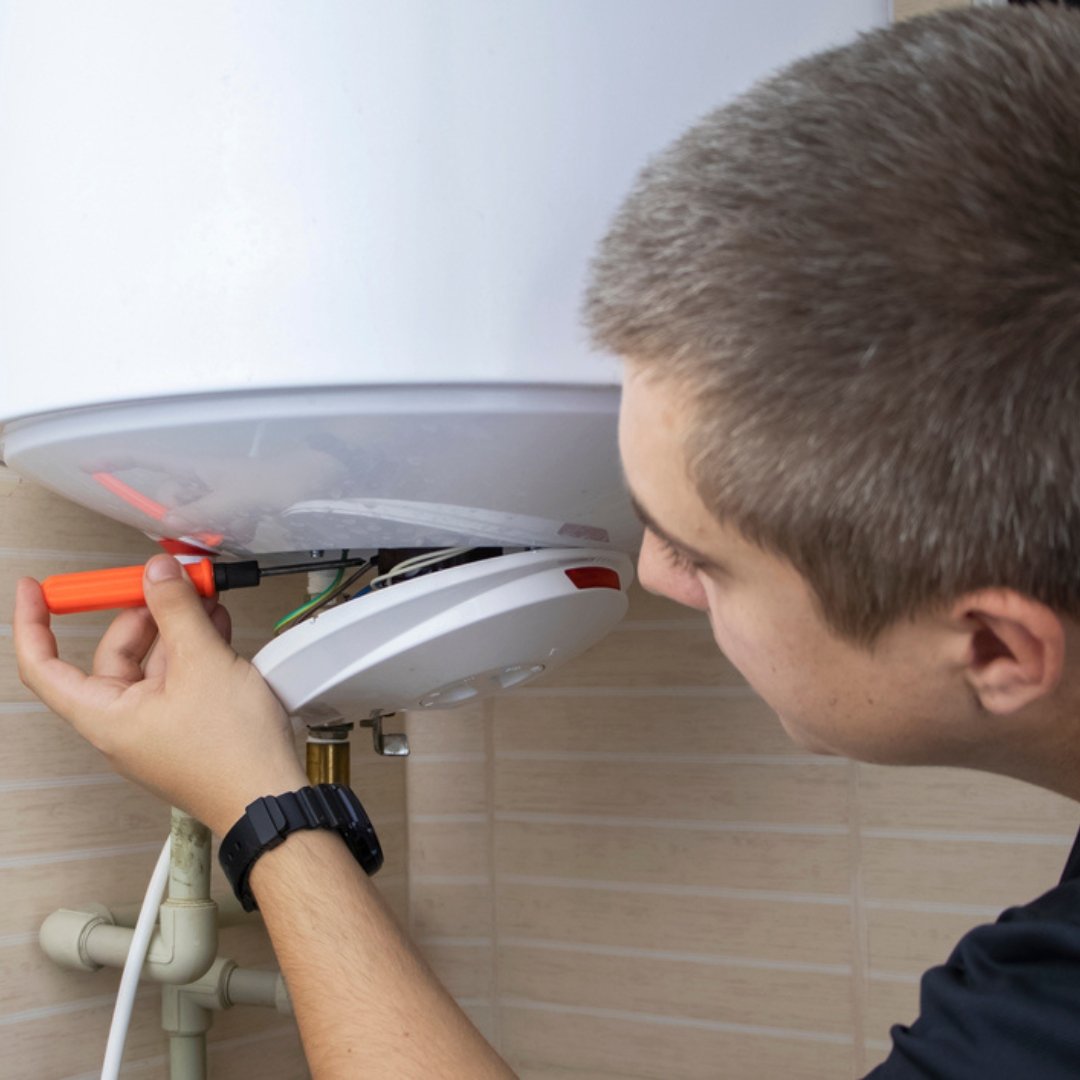
For example, in the electrical testing industry, certified technicians test and tag equipment according to safety regulations. Without certification, test results may vary, creating potential hazards in the workplace.
Who Are Accredited Testers?
Accredited testers are professionals or organizations evaluated and recognized by official accreditation authorities. Accreditation goes beyond certification because it confirms technical competence, impartiality, and quality management.
Accredited testers follow international standards such as ISO/IEC 17025, use calibrated equipment, and maintain strict procedures. Accreditation bodies assess their methods regularly to ensure accurate and consistent results.
For example:
- An accredited electrical tester ensures workplace equipment meets safety requirements.
- An accredited calibration laboratory delivers precise and traceable measurement results. To Know More Click Here

Why Certifications and Accreditation Matter
Certifications and accreditation add value in several ways:
- Trust and Credibility
Certified professionals inspire confidence. Clients view accredited services as more reliable and trustworthy. - Regulatory Compliance
Many industries require certified testing by law. For example, workplace safety regulations mandate electrical testing by qualified technicians. - Consistency and Reliability
Accreditation enforces repeatable, traceable results. Clients can rely on the same standards across different times and locations. - Risk Reduction
Certified testers follow strict protocols that lower the chances of accidents, liabilities, and equipment failures. - Competitive Advantage
Businesses that use accredited testers highlight their commitment to compliance and quality, which strengthens their reputation in the market. To Know More Click Here

Common Accreditation and Certification Standards
Several globally recognized standards guide certifications and accreditation, including:
- ISO/IEC 17025 – Standard for testing and calibration laboratories.
- NATA (National Association of Testing Authorities) – Accreditation in Australia for technical services.
- IEC & IEEE Standards – Widely used in electrical and electronic industries.
- UL Certification – North American safety certification for equipment and consumer products.
- CE Marking – Proof of compliance with European safety, health, and environmental standards.
- National Licensing – Country-specific requirements for professionals such as electricians, engineers, and healthcare providers.

Certifications in Electrical Testing: An Industry Example
In the electrical testing and tagging industry, certifications play a central role. Certified testers:
- Verify the safety of appliances and installations.
- Ensure workplaces comply with occupational health and safety laws.
- Maintain accurate test records for compliance audits.
Accredited testers go further by using calibrated equipment, applying strict safety protocols, and providing reports that organizations can rely on. Without certification, businesses risk penalties, equipment failures, and workplace accidents.
The Future of Certified and Accredited Testing
As industries grow more complex, the demand for certified and accredited testers continues to rise. Several key trends shape the future:
- Digital Certification Systems – Digital records make credentials secure and easy to verify.
- Global Accreditation Networks – Certifications are gaining wider international recognition.
- Sustainability Certifications – Companies increasingly need proof of eco-friendly practices.
- AI and Automation – Accredited testers are adopting advanced technology while still meeting compliance standards.
These changes show how certified testing adapts to new technologies and global requirements. To Know More Click Here

Conclusion
Certifications and accredited testers ensure safety, compliance, and quality across industries. They reduce risks, protect businesses, and build customer trust.
By choosing accredited professionals, organizations demonstrate their commitment to excellence and strengthen their reputation. In a world where safety and compliance cannot be ignored, certifications and accreditation remain powerful tools for success.
SafeTag – Your Safety Partner in New Zealand
Ensure workplace safety and compliance with SafeTag’s professional testing services. We offer certified solutions for Electrical Testing & Tagging, RCD Testing, Microwave Leakage Testing, and Portable Appliance Testing (PAT). Trust our experts for hassle-free, on-site service tailored to your business needs.