What is Portable Appliance Testing (PAT)?
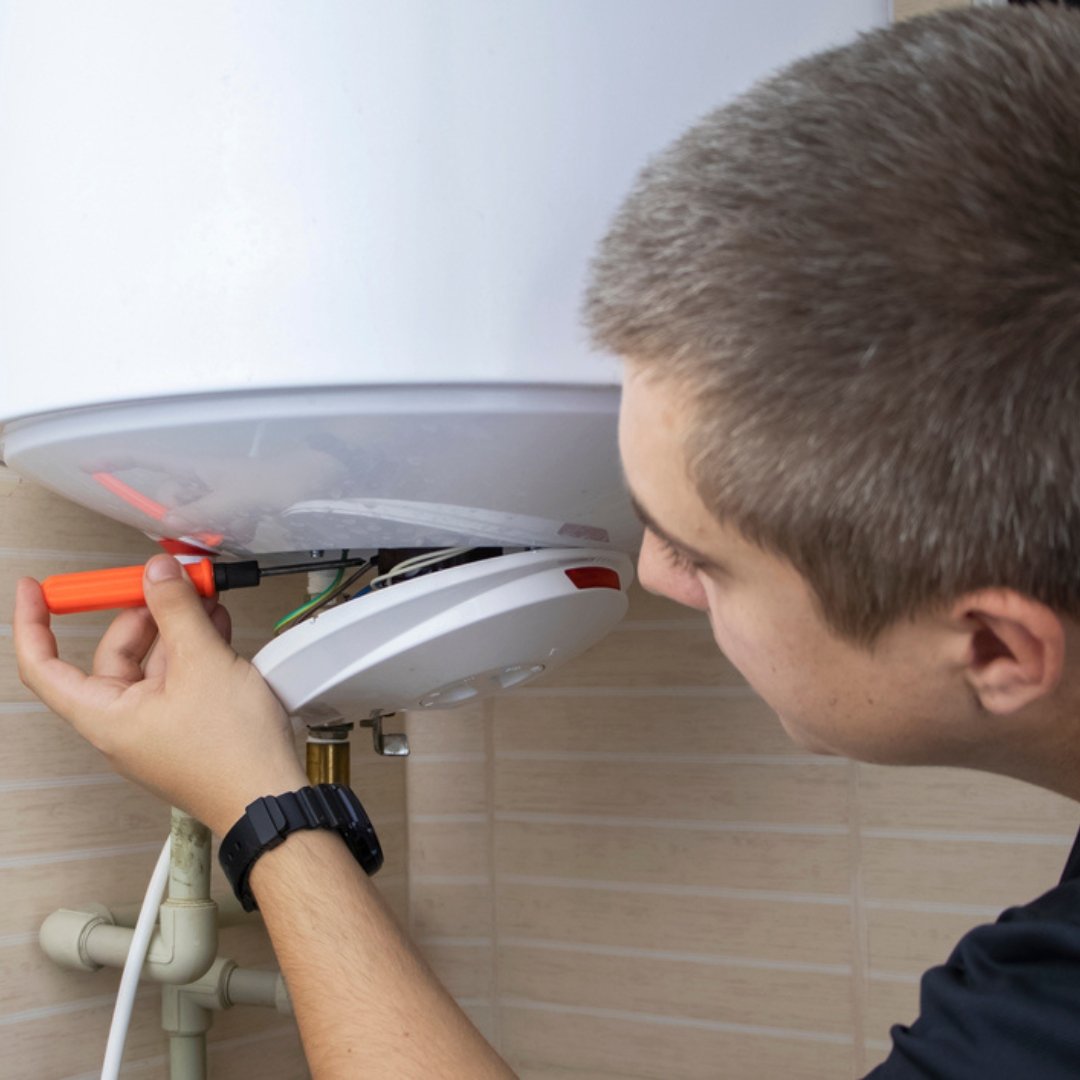
Portable Appliance Testing (PAT) is the process of inspecting and testing electrical appliances to ensure they are safe to use. This involves both a visual examination of the equipment and electrical testing with specialized PAT testing equipment. The goal is to detect potential safety issues such as damaged cables, loose wires, faulty plugs, or insulation problems.
PAT is commonly used in workplaces, rental properties, and commercial settings to comply with health and safety regulations, prevent electrical accidents, and ensure duty of care. Appliances that pass the test are typically labeled with a sticker showing the test date, result, and next due date. To Know More Click Here
Why is Portable Appliance Testing (PAT) Done?
Portable Appliance Testing (PAT) is carried out to ensure electrical safety in environments where portable electrical equipment is used. Here are the key reasons why PAT is important:
1. Ensure Safety – PAT helps identify electrical faults like frayed wires, damaged plugs, or insulation breakdowns, reducing the risk of electric shocks, fires, and injuries caused by faulty appliances.
2. Legal Compliance – In many regions, health and safety regulations require employers, landlords, and business owners to maintain safe electrical systems. PAT helps meet these legal obligations under safety laws (like the Electricity at Work Regulations).
3. Prevent Workplace Accidents – Regular testing prevents unexpected failures and protects employees, customers, and visitors from harm due to unsafe appliances.
4. Reduce Insurance Risk – Insurance companies often require evidence of PAT testing to validate claims related to electrical damage or fire, and may offer better rates to businesses with proper PAT documentation.
5. Maintain Business Continuity – Identifying faults early avoids breakdowns and downtime, ensuring business operations continue smoothly without interruption from faulty equipment.
6. Peace of Mind – Regular PAT testing gives employers, landlords, and users confidence that appliances are safe, properly maintained, and ready for use.
In summary, PAT is done to protect people, meet legal standards, reduce risks, and ensure operational safety in any setting that uses portable electrical equipment. To Know More Click Here
Legal Basis for Portable Appliance Testing (PAT)
While there is no specific UK law that mandates PAT testing by name, several key health and safety regulations require that electrical equipment be maintained in a safe condition—and PAT is the most recognized method to demonstrate compliance.
Key Regulations That Support PAT:
- Health and Safety at Work etc. Act 1974
- Employers have a duty of care to ensure the health, safety, and welfare of employees and the public.
- Keeping electrical equipment safe through regular checks (like PAT) helps fulfill this duty.
- Electricity at Work Regulations 1989
- Requires that all electrical systems (including appliances) must be maintained to prevent danger.
- This is the primary legal framework used to justify regular PAT testing in workplaces.
- Provision and Use of Work Equipment Regulations (PUWER) 1998
- States that work equipment must be safe for use, maintained properly, and used only by trained people.
- PAT testing helps prove that electrical equipment is being maintained as required.
- Management of Health and Safety at Work Regulations 1999
-
Employers must carry out risk assessments and take action to reduce risk, including risks from electrical equipment.
-
- Landlord and Tenancy Laws
- Landlords are required to ensure that any electrical appliances provided in a rental property are safe and maintained, especially in furnished properties.
- PAT is a practical way to meet this obligation. To Know More Click Here
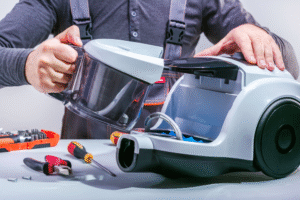
What Appliances Are Included in PAT (Portable Appliance Testing)?
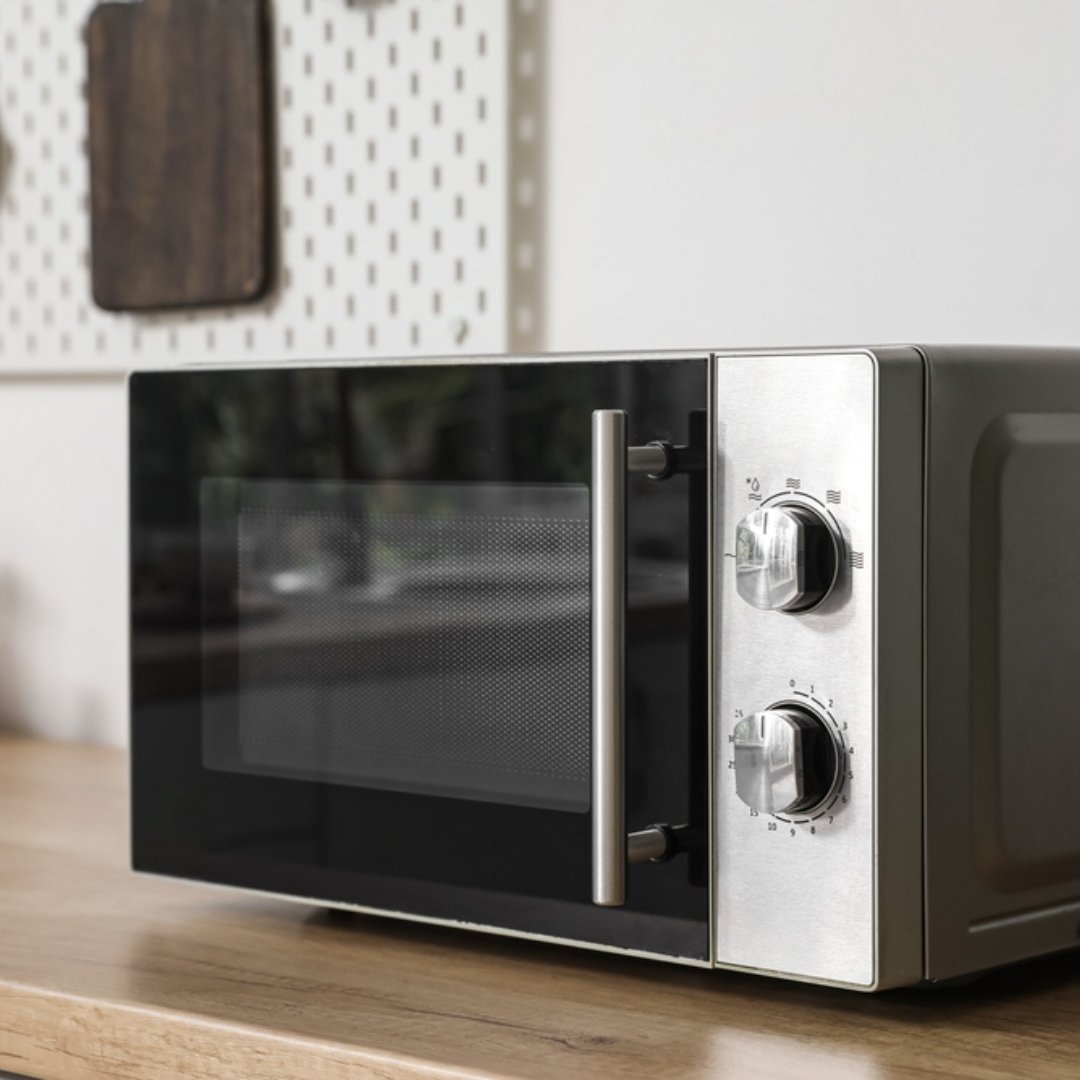
PAT covers a wide range of electrical equipment that is connected to the mains supply via a plug, typically rated up to 230V or 110V. The key criterion is whether the appliance is portable or movable, even if it is not often moved.
Types of Appliances Included in PAT:
- Portable Appliances
- Designed to be easily moved while connected to power
- Examples: Kettles, toasters, vacuum cleaners, heaters
- Movable Equipment (or Transportable)
- Weighs over 18kg but can still be moved
- Examples: Air conditioners, larger photocopiers, floor polishers
- Handheld Appliances
- Held in the hand during normal use
- Examples: Hairdryers, drills, angle grinders
- Stationary Equipment
- Has a fixed position but is not hard-wired
- Examples: Fridges, washing machines, desktop computers
- IT Equipment
- Includes electronic devices and office equipment
- Examples: Monitors, printers, laptops (including chargers)
- Extension Leads and Multi-Plug Adapters
- Frequently used and prone to overloading or wear
- These are critical to test due to high misuse risk
- Not Typically Included:
- Fixed wired appliances (unless they have a plug)
- Equipment running solely on batteries without plug-in charging
- Low voltage items (like USB-powered devices). To Know More Click Here

Conclusion
Portable Appliance Testing (PAT) is essential for ensuring the safety and reliability of electrical appliances in any workplace or rental property. Though not legally mandated by name, PAT is a trusted and recognized method to comply with key health and safety regulations. It helps identify faults early, prevent electrical accidents, and demonstrate a responsible approach to risk management.
At SafeTag, we offer professional PAT testing services that help you meet compliance requirements, ensure equipment safety, and protect your people and property. Trust SafeTag to keep your electrical appliances safe, tested, and fully certified.
SafeTag – Your Safety Partner in New Zealand
Ensure workplace safety and compliance with SafeTag’s professional testing services. We offer certified solutions for Electrical Testing & Tagging, RCD Testing, Microwave Leakage Testing, and Portable Appliance Testing (PAT). Trust our experts for hassle-free, on-site service tailored to your business needs.