Different Types of Tags and What They Mean By Safetag – Experts in Electrical Testing & Tagging
In the world of electrical safety, tags are crucial. They’re not just stickers – they’re clear indicators of a device’s safety status, helping organizations maintain compliance, reduce hazards, and protect lives. At Safetag, we specialize in comprehensive electrical testing and tagging, and in this post, we’ll break down the different types of tags, what they mean, and how they contribute to a safer work environment. To Know More Click Here
1.Tested & Safe to Use (Pass Tags)
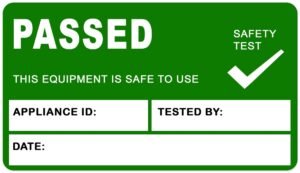
These are the most commonly seen tags and are typically green. They indicate that a piece of electrical equipment has undergone the required inspection and passed all safety tests. This means the equipment is in proper working condition and safe to use until its next scheduled test.
Key Details on Pass Tags:
- Test Date: When the equipment was last tested.
- Next Test Due: This date helps schedule periodic re-testing, ensuring ongoing safety.
- Tester Identification: Often includes the technician’s name or ID for traceability.
- Asset ID or Equipment Description: Makes it easy to identify the specific device.
Pass tags help create a clear and documented trail of compliance and routine checks. At Safetag, we ensure every green tag reflects reliability and meets the strictest safety standards.
2.Failed Tags
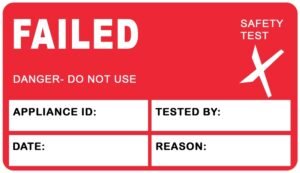
These tags, usually red in color, are used to warn users that a piece of equipment has failed testing and is not safe for use. These are critical in preventing dangerous incidents caused by faulty electrical devices.
What Failed Tags Include:
- “FAILED” or “DO NOT USE” Wording: Clearly printed in large, bold text.
- Testing Date: When the item was tested and deemed unsafe.
- Reason for Failure: Sometimes included to provide clarity (e.g., earth leakage, insulation breakdown).
- Tester Details: Ensures accountability and traceability.
When you see a failed tag, it’s a signal to immediately remove the equipment from operation. Safetag technicians ensure all failed devices are properly labeled and logged for repair or disposal. To Know More Click Here
3.Out of Service Tags
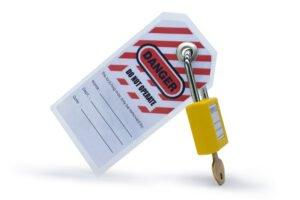
Not every unsafe item is due to failed testing. Sometimes, equipment is temporarily or permanently out of service due to damage, routine maintenance, or planned decommissioning. In such cases, orange or yellow tags are applied, clearly marking the equipment as not suitable for use.
Common Features:
- “OUT OF SERVICE” or “DO NOT OPERATE” Text
- Reason for Tagging: Damaged, Awaiting Parts, Under Maintenance, etc.
- Date Applied
- Optional Contact or Service Details
These tags prevent accidental use of equipment that may still appear functional but is not fit for operation. Safetag ensures every out-of-service tag is visible and informative.
4.New to Service Tags
Equipment that is brand new and introduced to the workplace must also be identified and managed. “New to Service” tags are used to indicate that the equipment is newly commissioned and has not yet undergone formal electrical safety testing.
What These Tags Usually Contain:
- Date of Commission: When the item was first put into use.
- Description of Equipment: Brand, model, serial number, etc.
- Tester/Installer Information: The person who introduced it to service.
This type of tag helps establish a baseline for future testing cycles, making it easier to track the equipment’s test history from the very beginning. At Safetag, we offer new-to-service tagging for seamless integration into your safety system. To Know More Click Here
5.Custom Tags for Specific Environments
In many industries, standard tags are not enough. High-risk environments require more durable, tailored solutions that match the conditions they operate in. Safetag offers customized tagging options for specialized sectors:
Examples:
- Mining & Construction Sites: Heavy-duty laminated or metal tags resistant to dust, heat, and water.
- Medical Facilities: Sterile-friendly tags with antibacterial coatings and minimal interference with sensitive equipment.
- IT & Office Environments: Compact, barcode- or QR-coded tags that integrate with asset tracking systems.
Custom tags can include your company branding, serial numbers, color coding, and even smart scan technology. Safetag provides full customization to ensure tagging remains practical, efficient, and compliant across all environments.
Why Understanding Tags Matters
Tags are more than just stickers – they are essential safety communication tools. Each color, label, and date tells a story about the condition and status of the equipment. When used properly, they help:
- Prevent electrical accidents
- Ensure workplace safety
- Maintain legal and insurance compliance
- Enable effective asset management
- Streamline equipment maintenance schedules
At Safetag, we train our technicians and educate clients on the importance of understanding these tags. This awareness creates a culture of safety and responsibility in every workplace. To Know More Click Here

Conclusion
Every tag serves a purpose — from confirming that equipment is safe, to clearly warning when it’s not. Knowing what each tag means can save time, reduce risk, and even save lives. Whether it’s a green “tested” label, a red “failed” warning, or a customized solution for your specific industry, Safetag is here to ensure your tagging system is reliable and up to date.We provide complete electrical testing and tagging solutions tailored to your industry. Contact Safetag today for expert advice and dependable service you can count on.
SafeTag – Your Safety Partner in New Zealand
Ensure workplace safety and compliance with SafeTag’s professional testing services. We offer certified solutions for Electrical Testing & Tagging, RCD Testing, Microwave Leakage Testing, and Portable Appliance Testing (PAT). Trust our experts for hassle-free, on-site service tailored to your business needs.